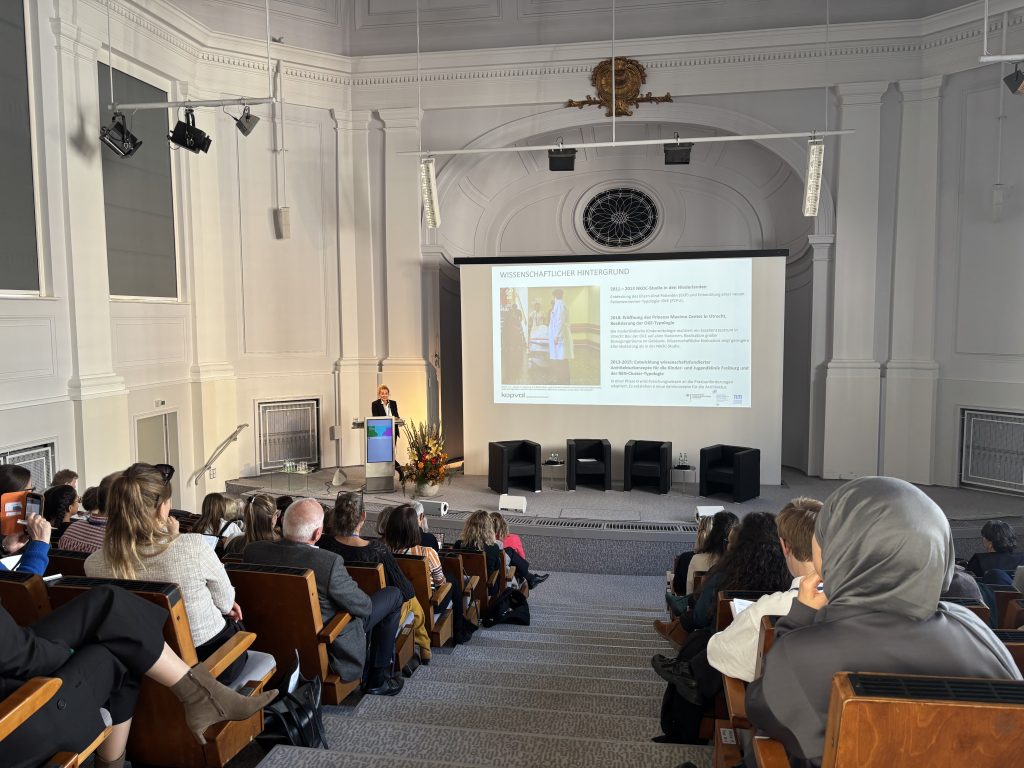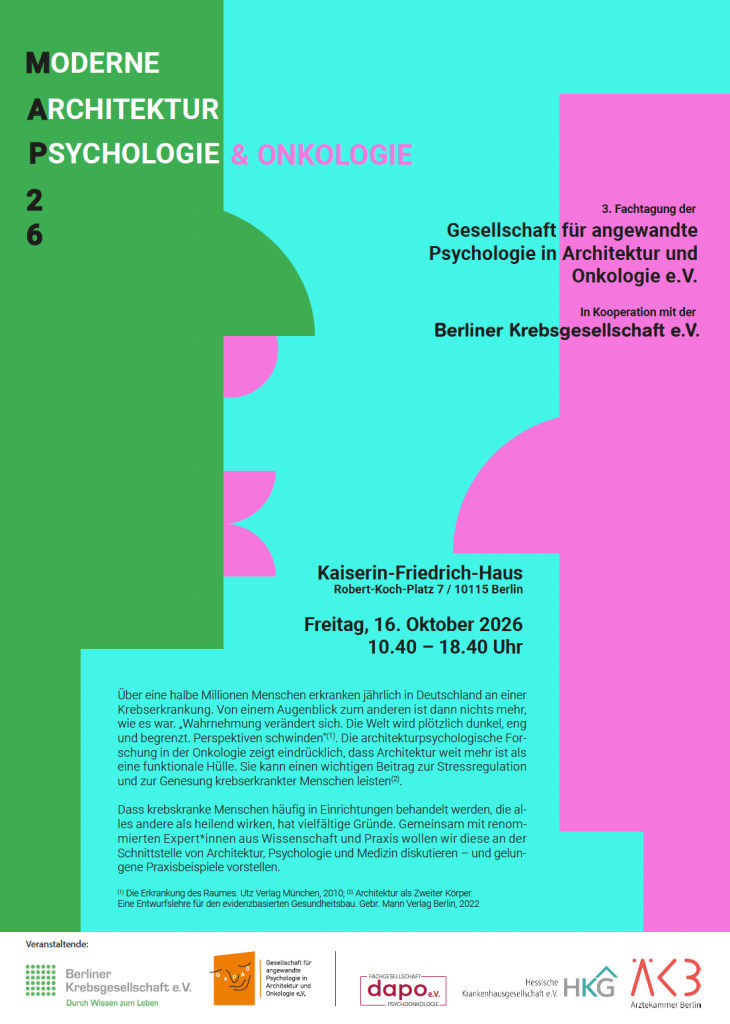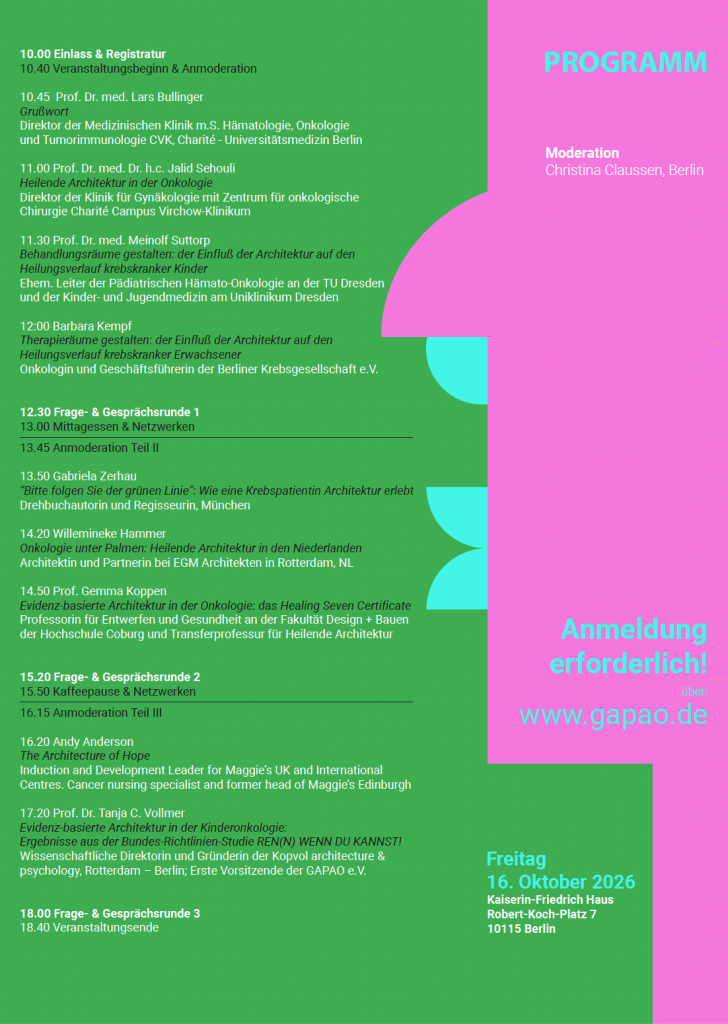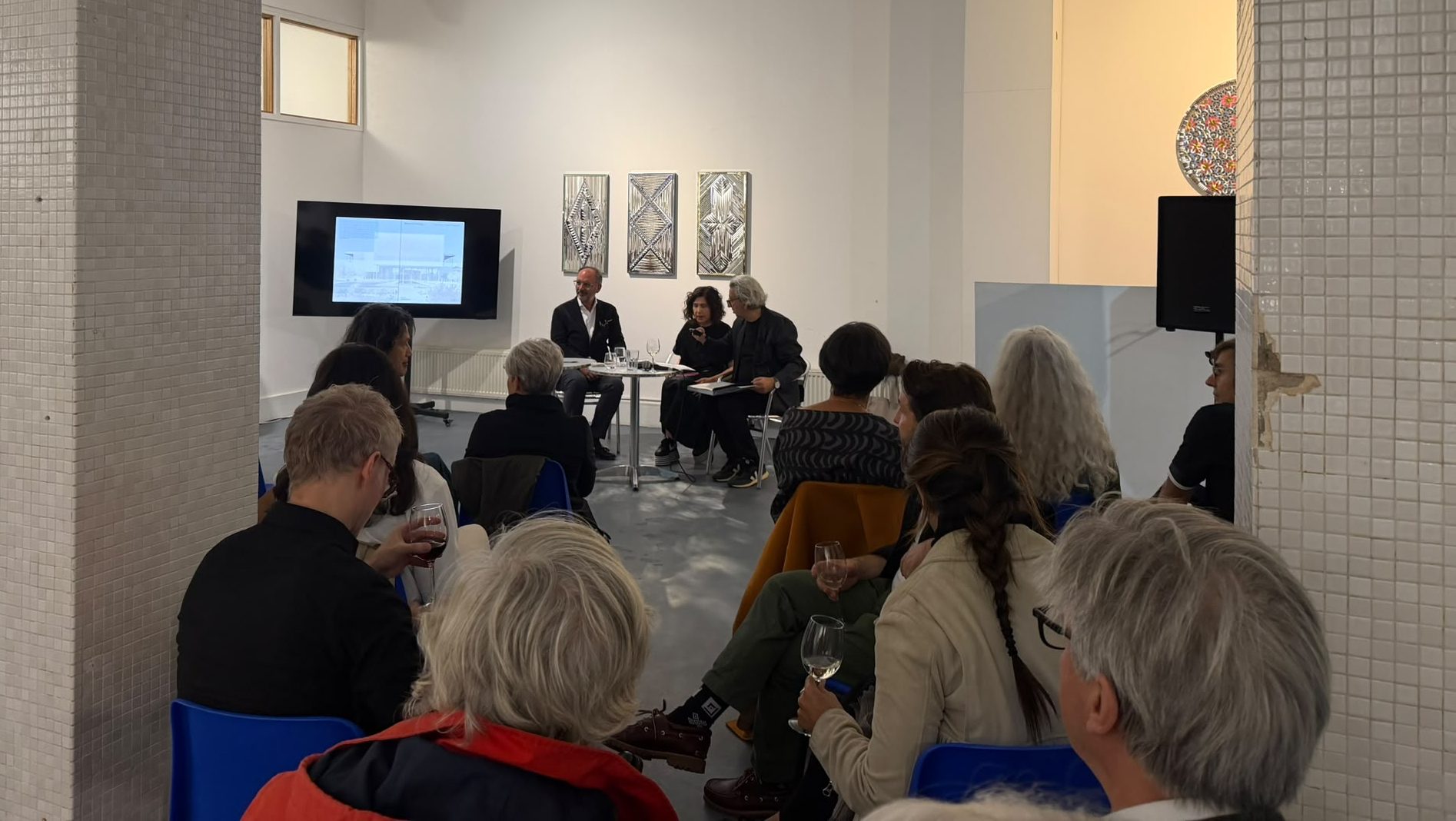
More than half a million people are diagnosed with cancer in Germany every year. For many, such a diagnosis fundamentally alters how they perceive themselves and the world around them. Against this backdrop, the conference Modern Architecture, Psychology & Oncology in Berlin brought together renowned experts from science and practice to discuss how architecture can contribute to well-being, stress reduction, and healing.

The event highlighted a growing body of research in architectural psychology demonstrating that healthcare environments are far more than functional settings for medical treatment. Thoughtfully designed spaces can positively influence patients’ experiences, support recovery processes, and improve quality of life. Yet many healthcare facilities still fall short of realizing this potential.
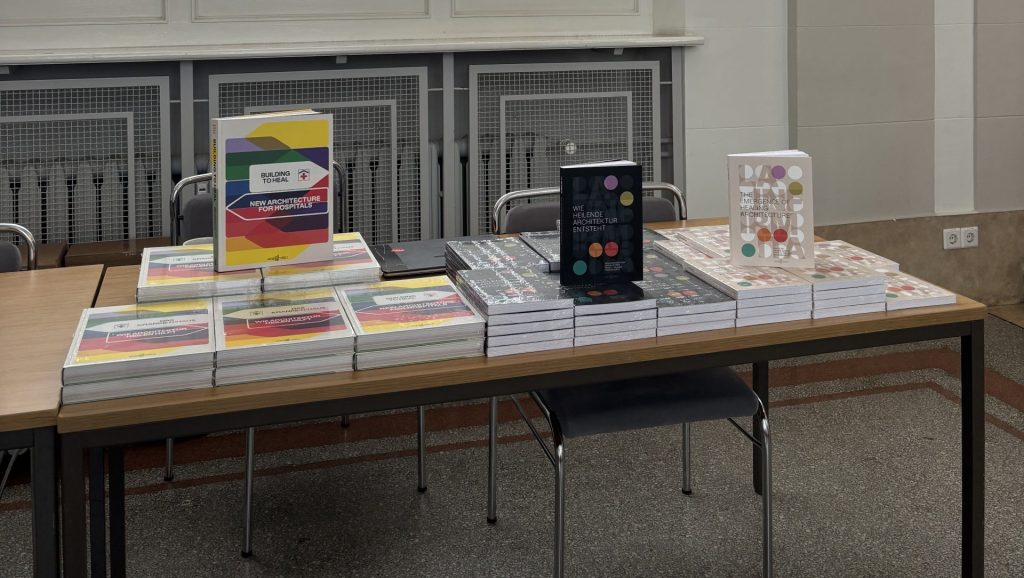
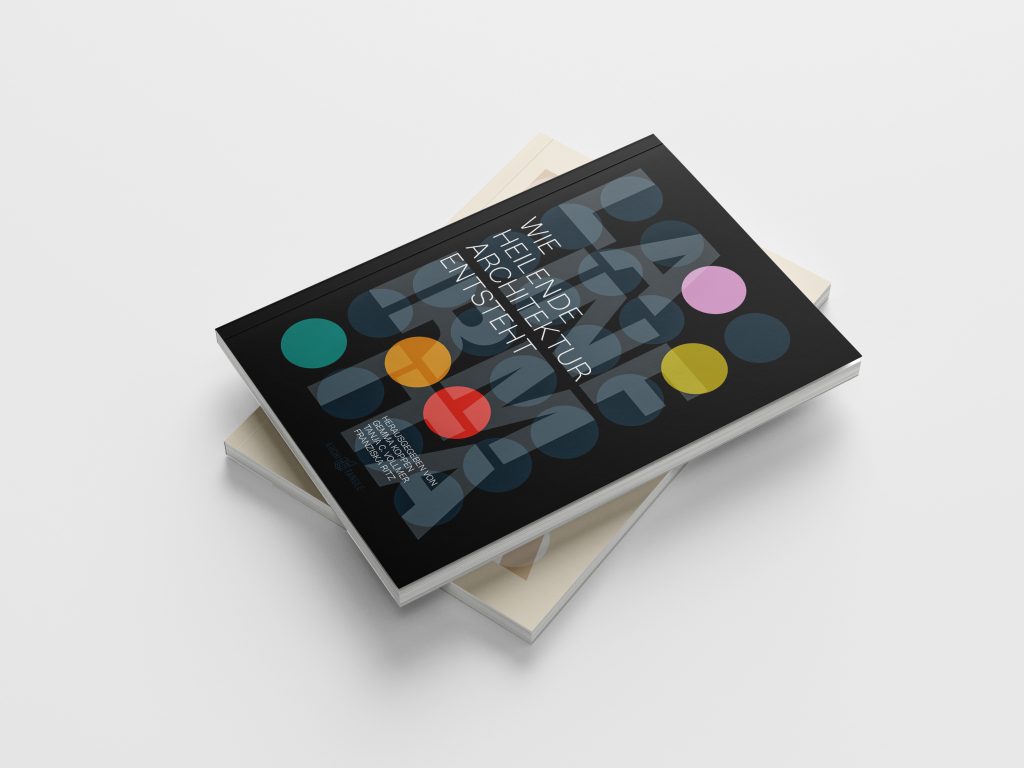
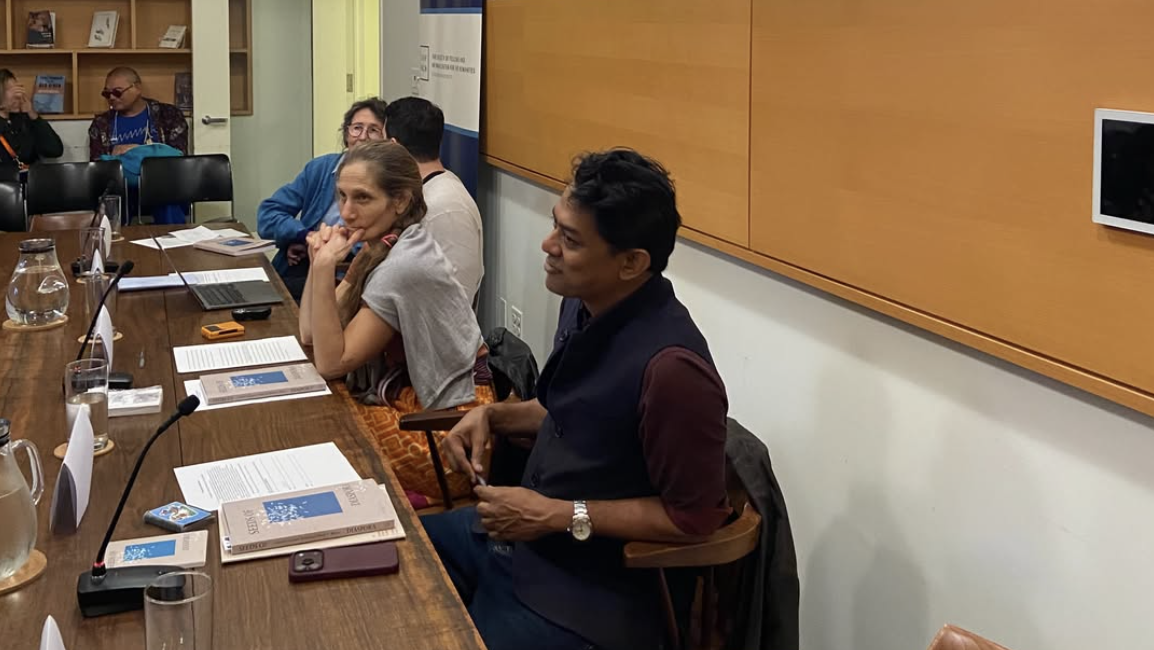
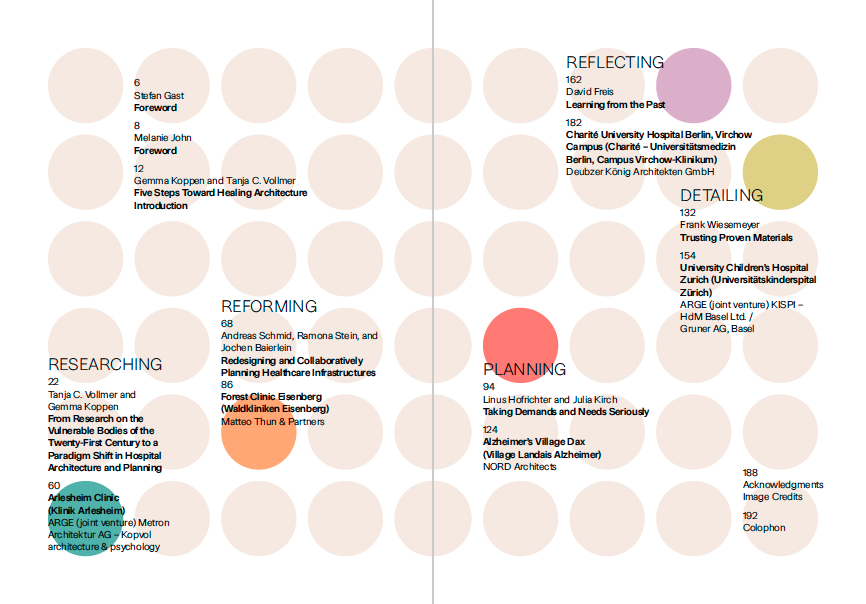
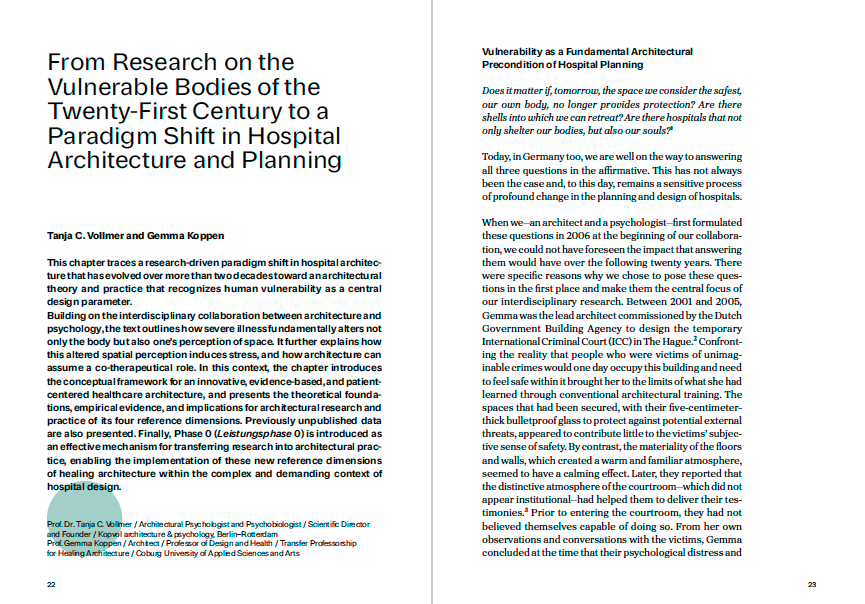
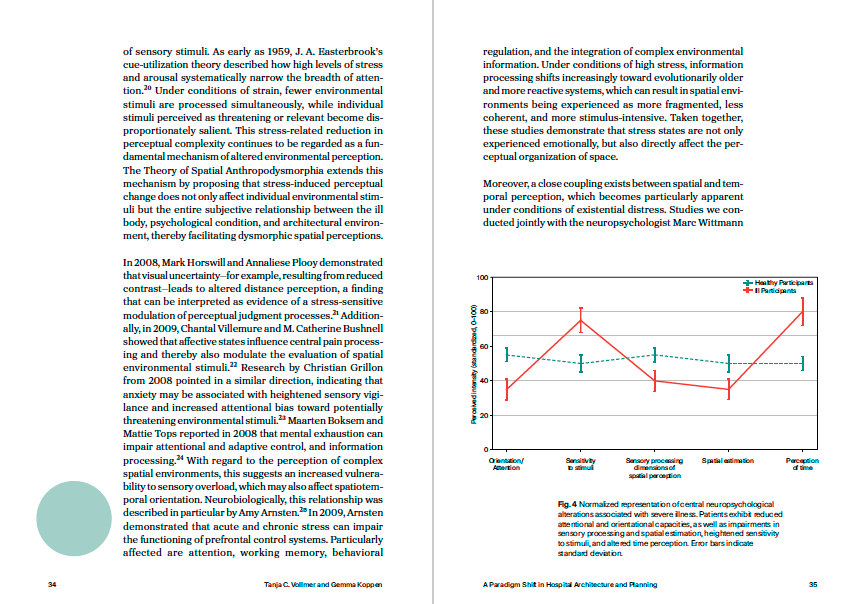
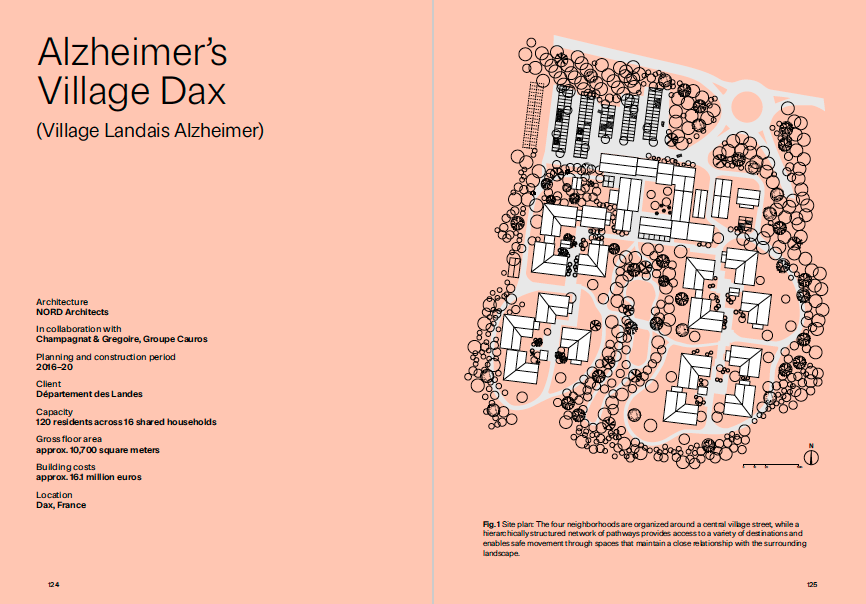
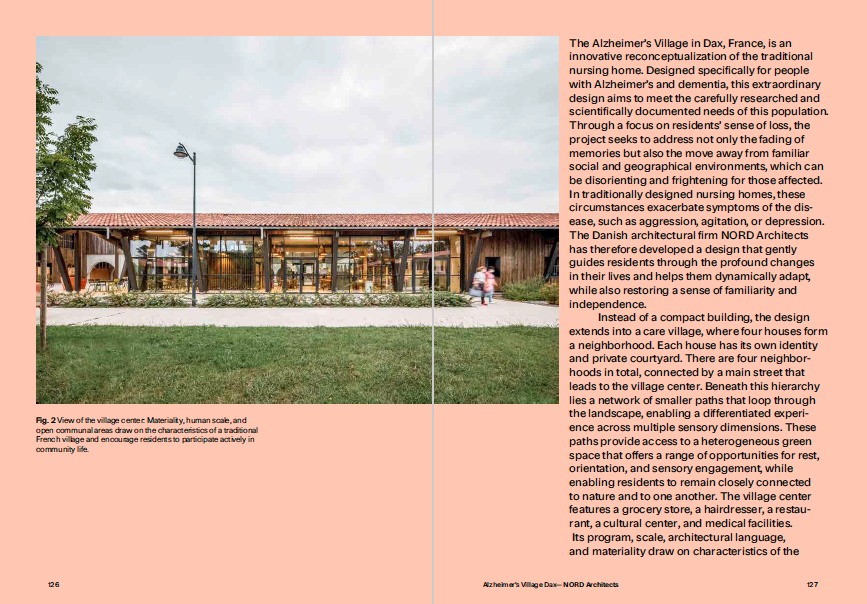
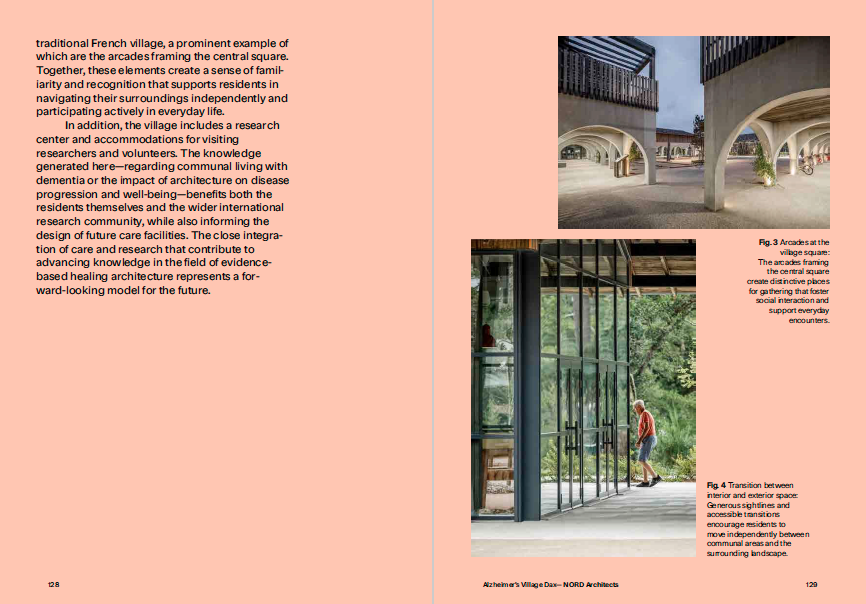
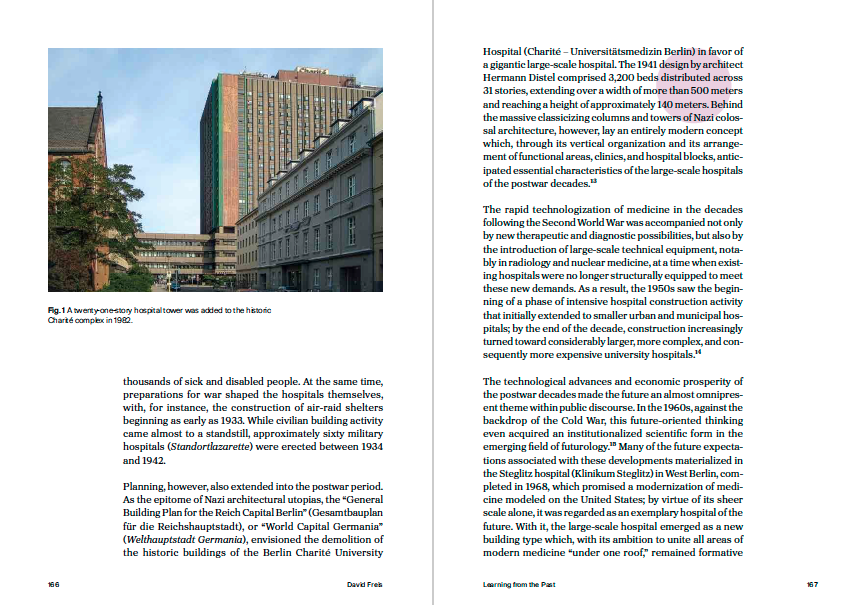
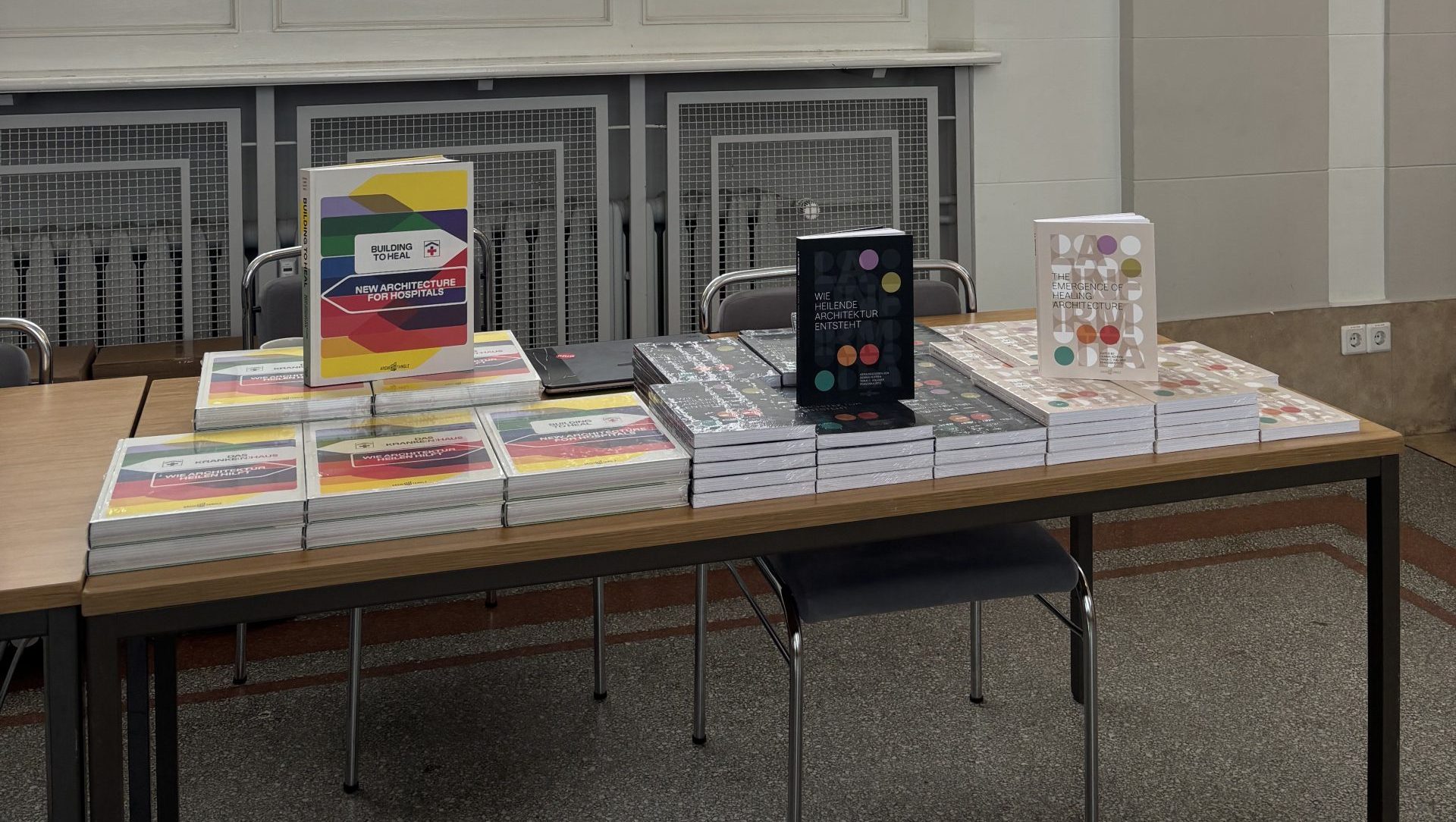
As part of the conference, ArchiTangle presented La Infirmita: The Emergence of Healing Architecture, a new publication edited by Gemma Koppen, Tanja C. Vollmer, and Franziska Ritz. The book explores how healing architecture can be systematically developed by placing the needs of patients, caregivers, and healthcare professionals at the center of the planning process. Drawing on contributions from experts in architecture, architectural psychology, health economics, hospital planning, and medical history, it outlines a five-step framework for creating healthcare environments that actively support healing.
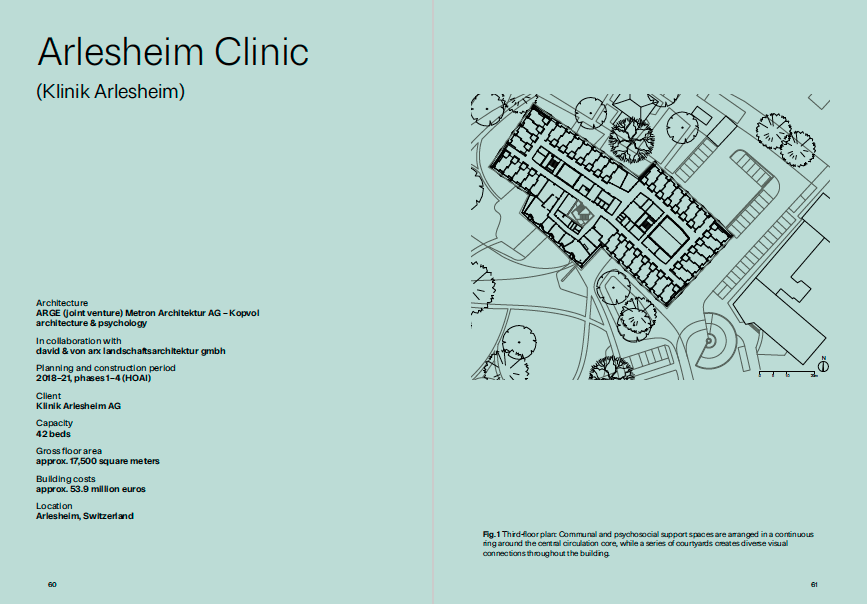
Complemented by international case studies from leading architectural practices, La Infirmita demonstrates the professional, organizational, and design conditions required for innovative healthcare environments to emerge. Bridging research and practice, the publication makes a compelling case for a more human-centered approach to hospital design and healthcare planning.
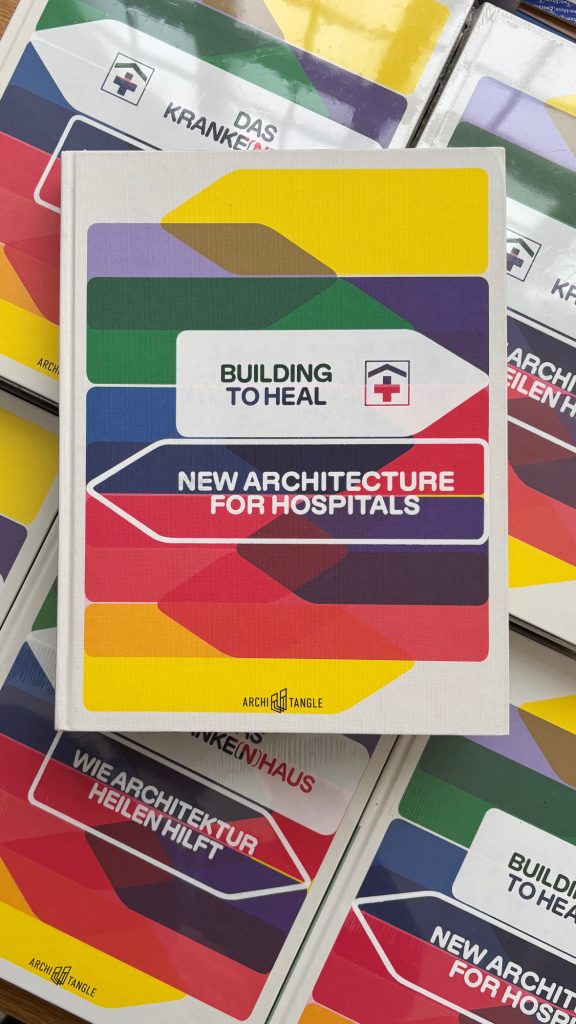
We also brought along an ArchiTangle favorite: Building to Heal: New Architecture for Hospitals, a bestselling volume that explores the relationship between healthcare architecture, patient well-being, and the future of hospital design. Together with La Infirmita, the book sparked engaging conversations about how research, design, and care can converge to create more humane and healing environments.
Want to learn more about healing architecture and the experts advancing this field? Explore the conference program to discover the full range of presentations, discussions, and contributors, and visit the organizers’ website for further information about their work at the intersection of architecture, psychology, and oncology. Links to both resources can be found below.