ArchiTangle

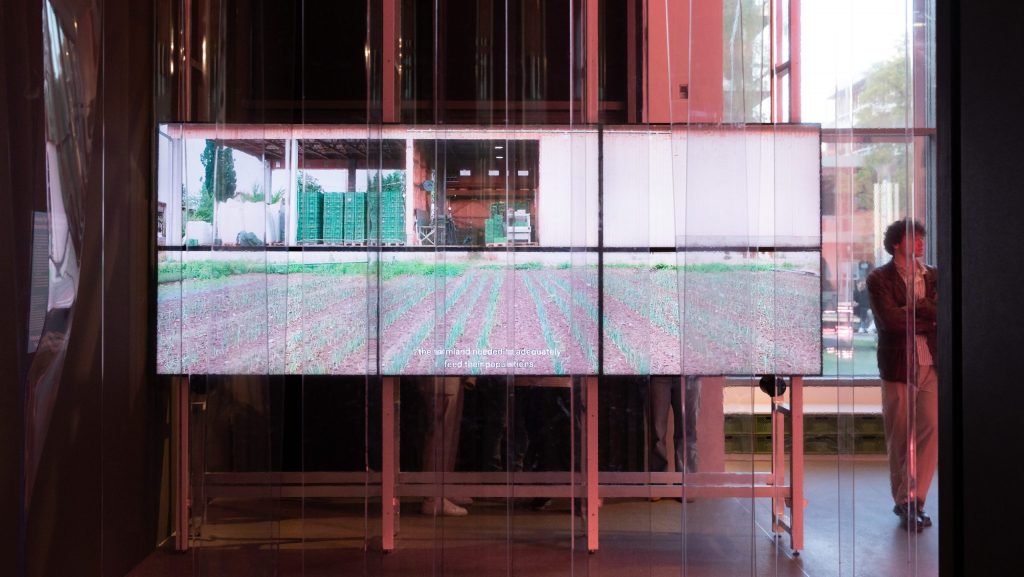
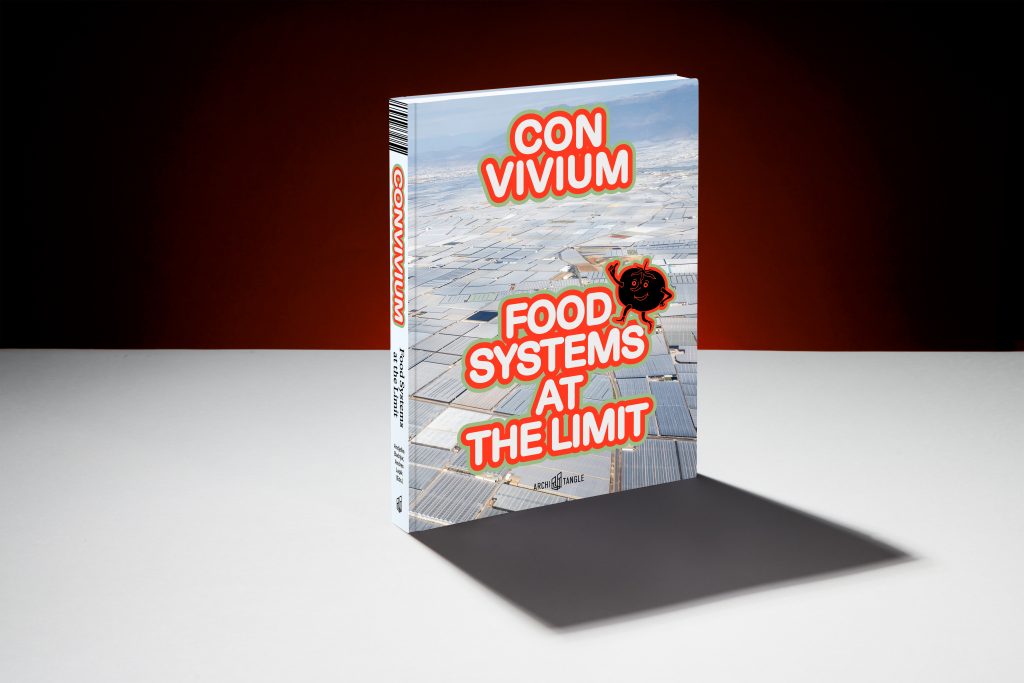
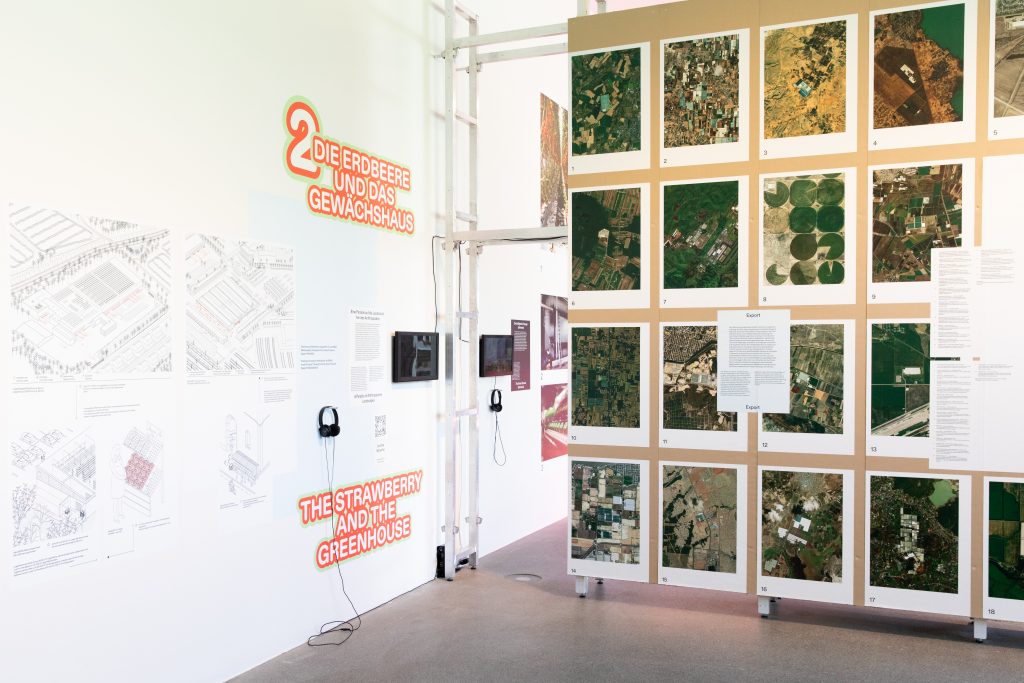
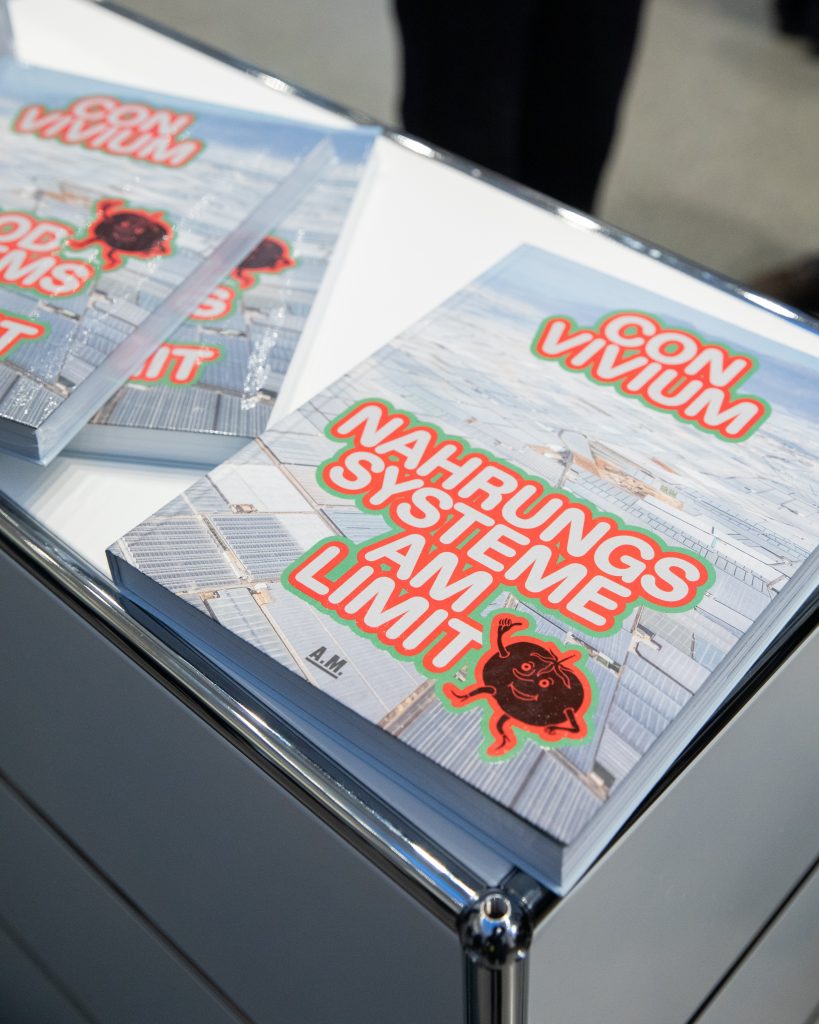
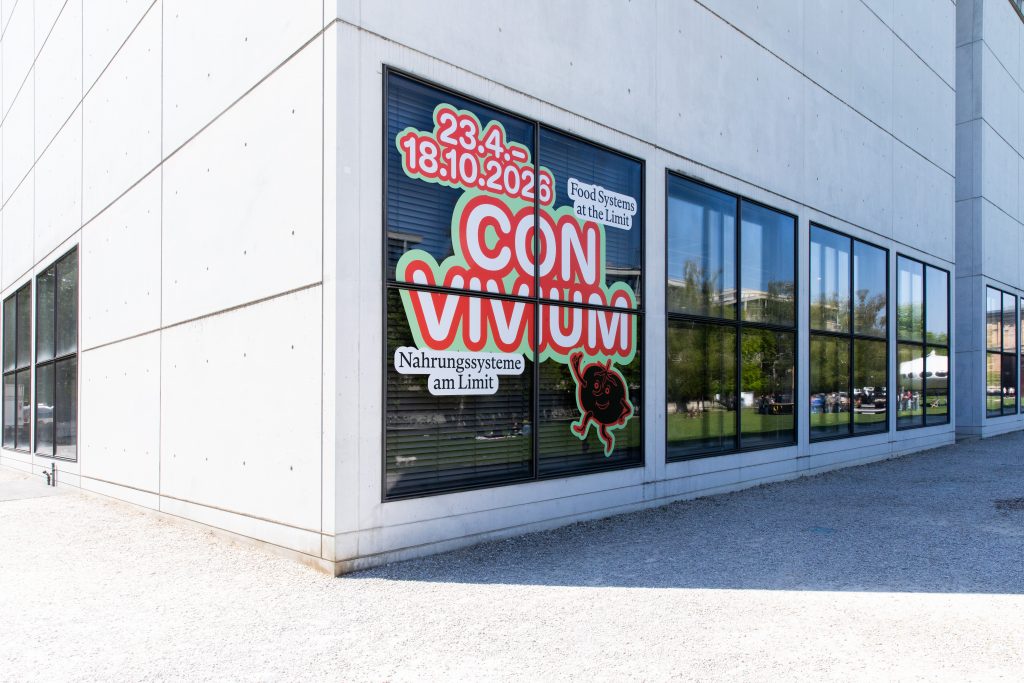
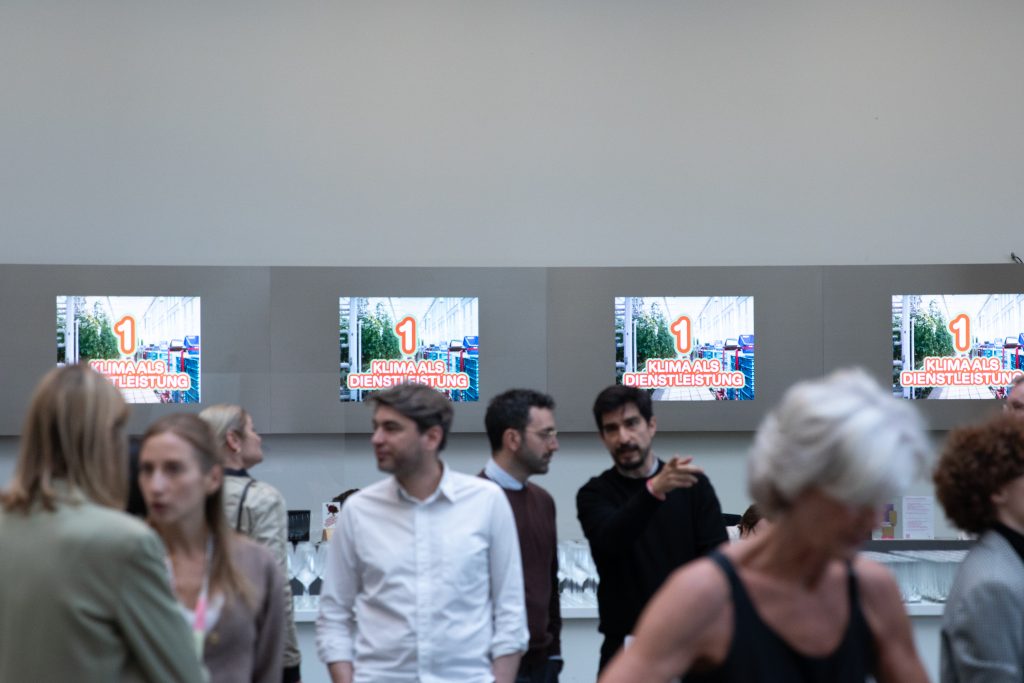
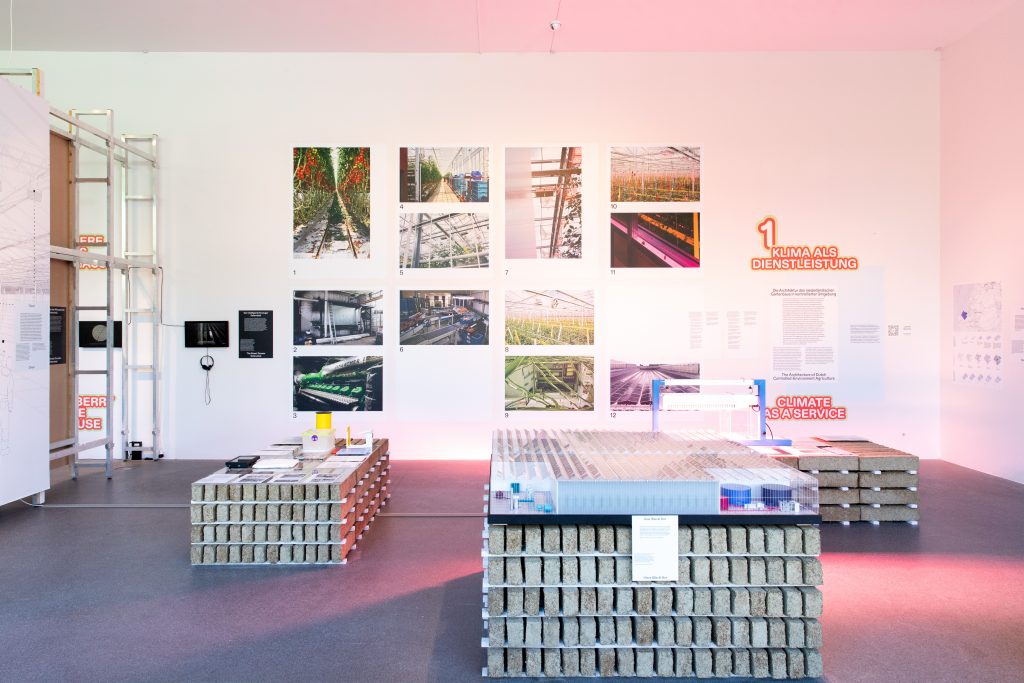
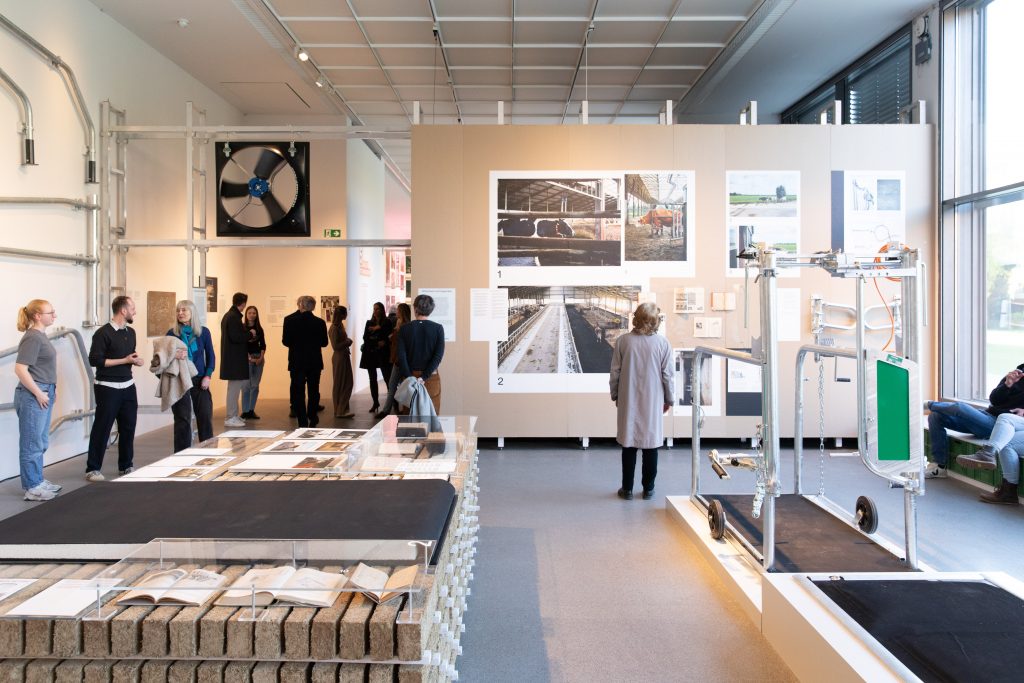
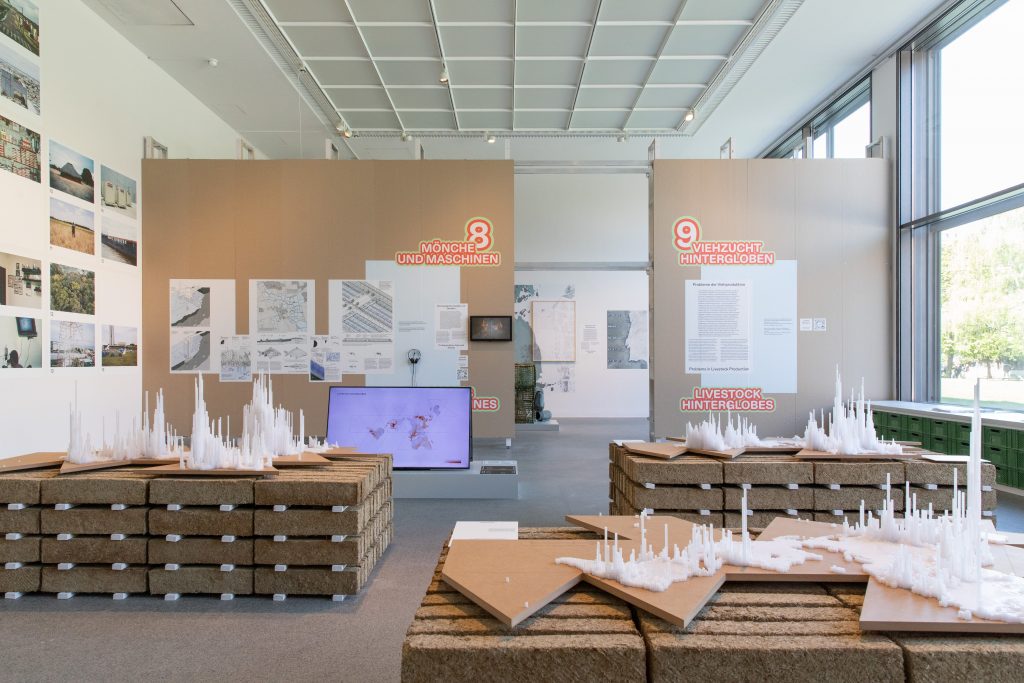
On Wednesday, we had the pleasure of joining the team at the Architekturmuseum der TUM in Munich for the opening of their latest exhibition, Convivium: Food Systems at the Limit. In collaboration with the curators, Andjelka Badnjar and Andres Lepik, we also co-published the accompanying book that explores how food production shapes landscapes, cities, and everyday life. From greenhouses and fishing ports to farms and feed-crop fields, the publication shows how architecture and territory respond to the pressures of global food production and consumption.

Through a rich interplay of essays, photography, and research, Convivium highlights the environmental, political, and social challenges that define what and how we eat. It asks pressing questions that link ecology and culture, science and design: How do tomatoes connect to salmon? How do barns shape animal lives? And how does soy from Brazil end up feeding livestock in Europe?  

Our publication is both a documentation of the exhibited content, and—with its BOOK+ extension—serves as an archive for image, audio and video material that brings the case studies to life. It also provides up-to-date information on the progress of ongoing projects!

Scroll through a few examples of the connection between the exhibition and our book and get your copy here (also available in German).

Exhibition photography © Nikolai Rusu

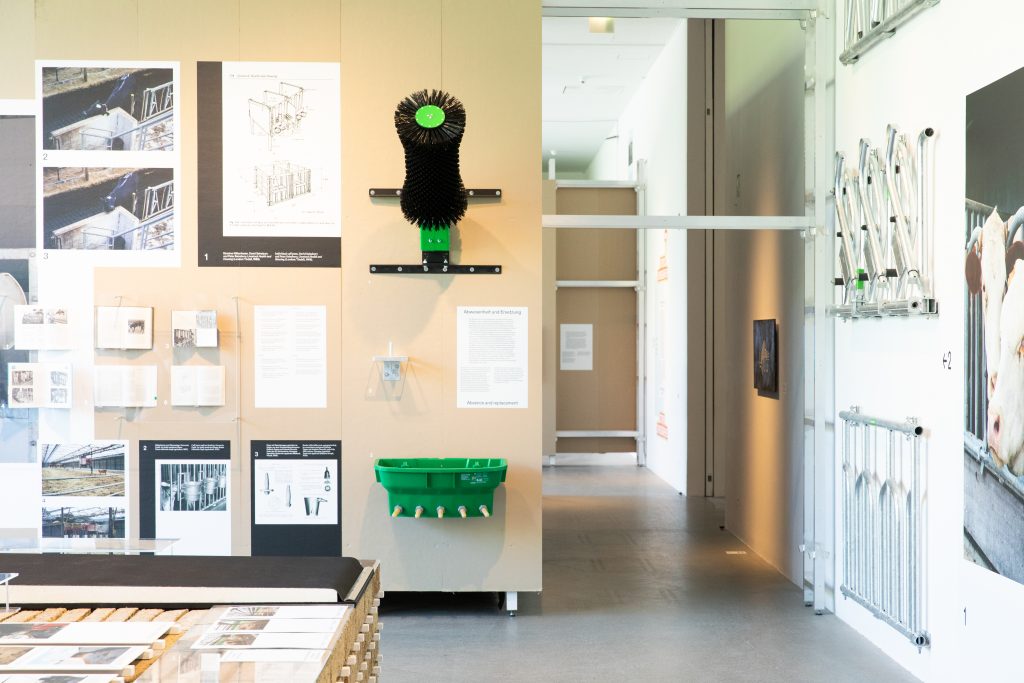
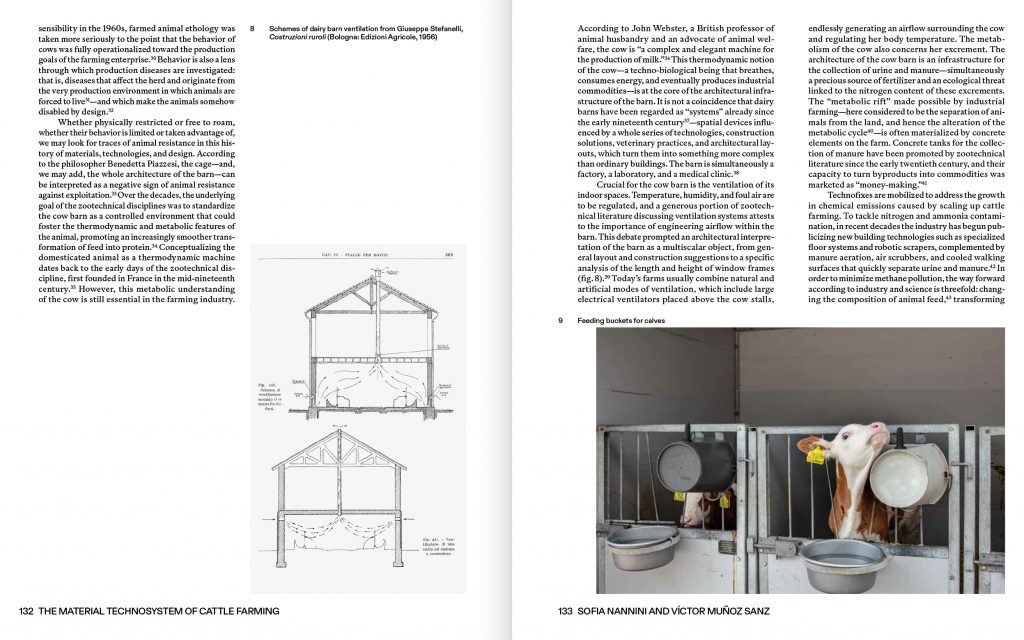
“The history of the industrial farm can be seen as a progressively enhanced project of alienation. The zootechnical system alienates livestock from their own modes of life—that is, species-specific behaviors and needs that are essential to them, like socializing or grazing—when such behaviors are not profitable for human ends. Furthermore, dairy cattle are alienated from their more-than-human communities by treating their milk as a commodity, replacing human labor with robots, or using feed additives that disrupt the microbial communities in their guts for the sake of reducing emissions.

Tragically, all of this is achieved while operationalizing natural behaviors for the end of higher efficiency. The preferences of cows for certain environmental or social features are a common refrain in today’s barn design discourse—a discourse that has inherited the ethical standpoints of the animal welfare movement that has emerged since the 1960s and 1970s, and that has internalized it for production purposes.”

Exhibition photography © Nikolai Rusu

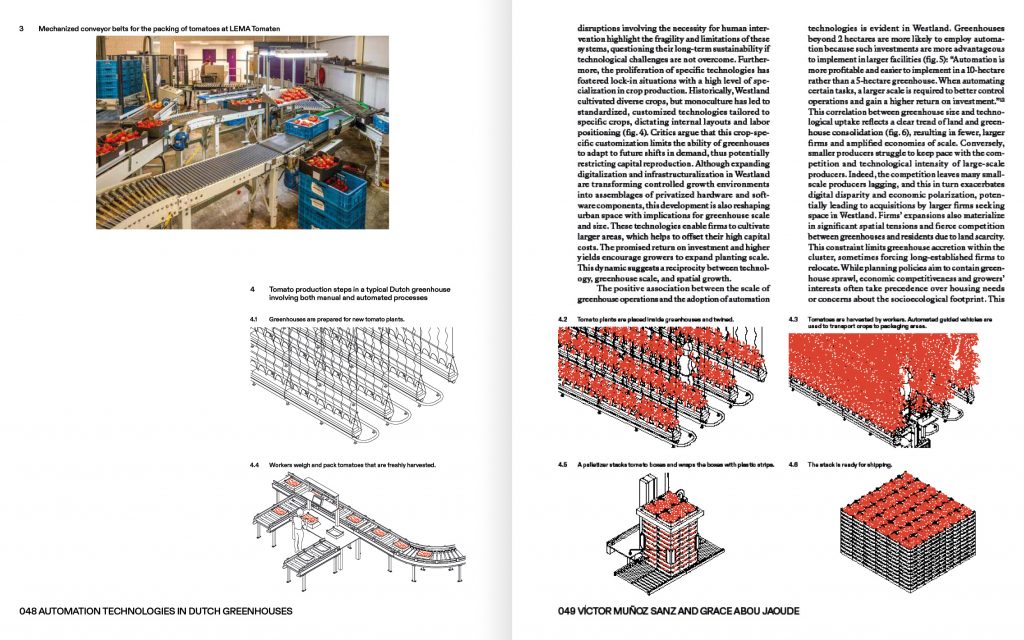
“Most crucially, a critical task awaits designers: engaging with the material and spatial potential of the technologies themselves and reformulating the agency of the spatial disciplines dealing in the unfolding of novel cyborg imaginations, where landscape and technology integrate and create conditions for humans and nonhumans to collaborate and carry out creative and life-affirming work. These spaces could provide architecture with the opportunity to reimagine new areas of political action and moments of mutual enchantment between both human systems and large technical ones.”

Exhibition photography © Nikolai Rusu

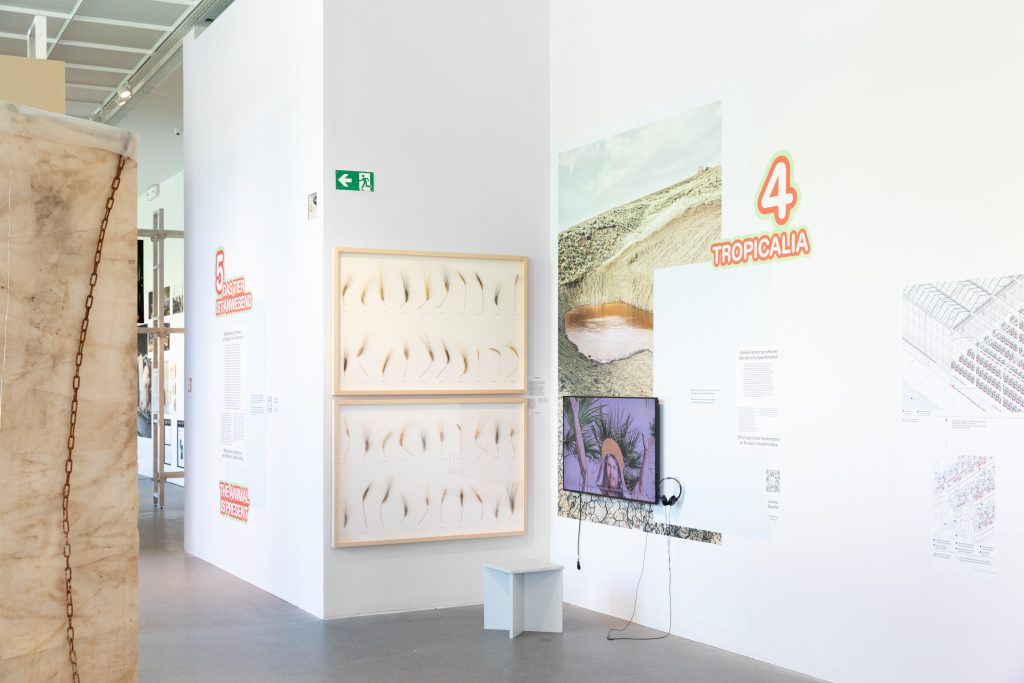
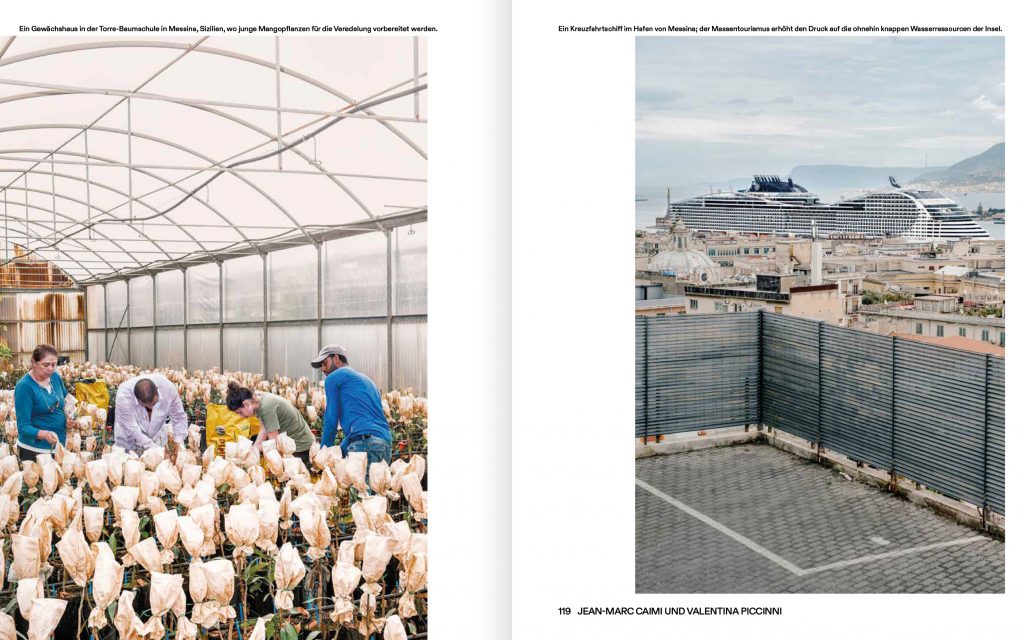
Both the exhibition and the book showcase the work of photographers Jean-Marc Caimi and Valentina Piccinni.
Their project Tropicalia is an in-depth photographic exploration of this evolving landscape. Through the voices of farmers, scientists, and entrepreneurs, they document how the island is responding to the pressure of a changing climate. From experimental crops and new food cultures to the reconfiguration of land and infrastructure, Sicily emerges as a microcosm of the challenges and opportunities that await the rest of Europe.

Check out the exhibition in Munich until October 18, 2026, and buy the book via our shop here

Exhibition photography © Nikolai Rusu

See you in Munich!

Facebook
Twitter
LinkedIn

More to explore

Stay in touch

Follow ArchiTangle on Social Media

Newsletter

Scroll to Top