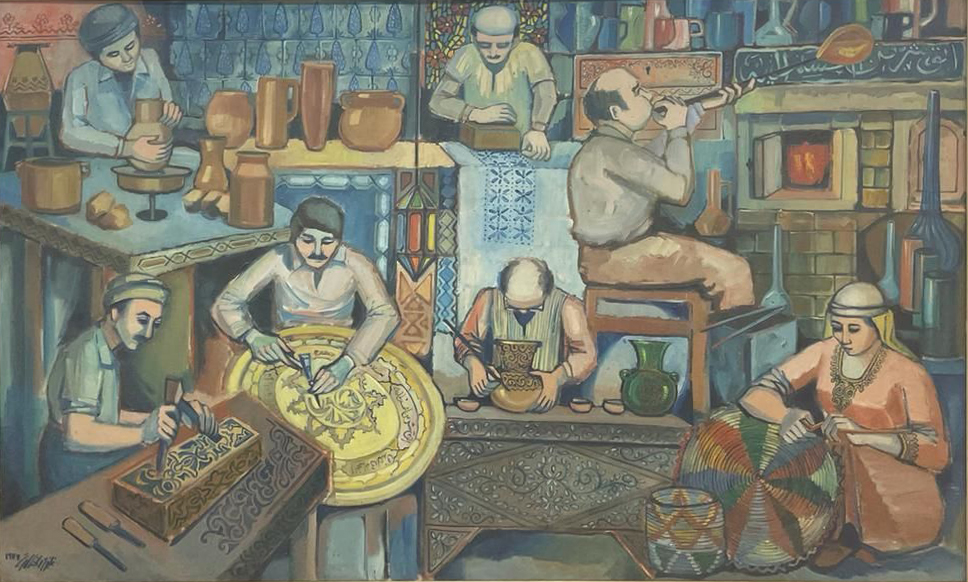
© Ghazi Al Khaldi, Skilled Hands, 1979. Image courtesy of Barjeel Art Foundation, Sharjah.
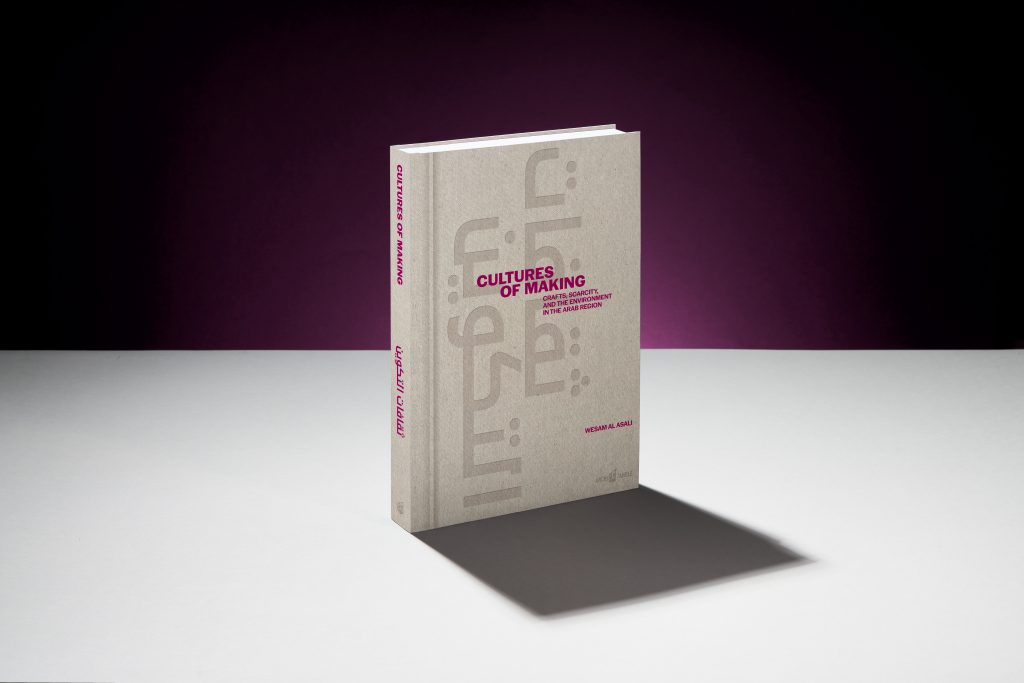
After two years of close collaboration, we are delighted to announce Cultures of Making: Crafts, Scarcity, and the Environment in the Arab Region by Wesam Al Asali.
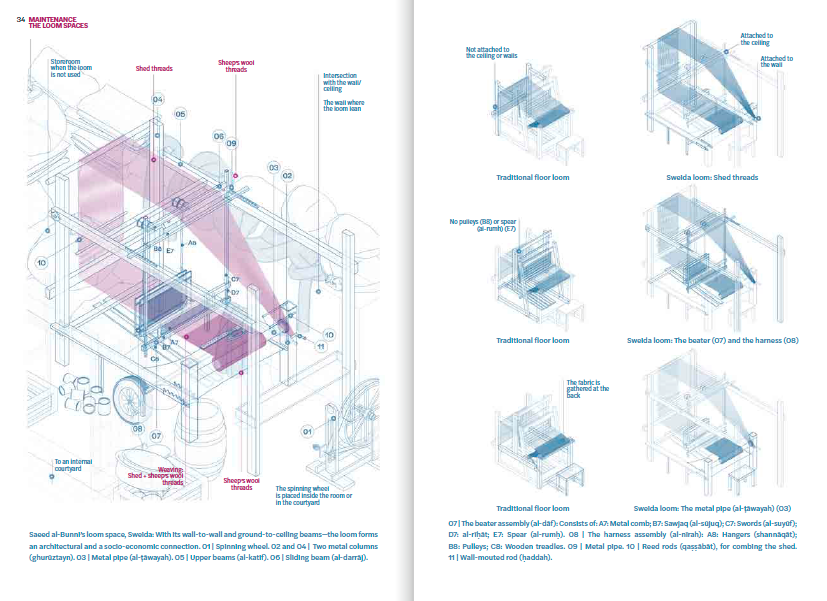
Working with Wesam has been a truly rewarding experience. He is an exceptional writer and scholar who brings together rigorous research and deeply personal storytelling, giving voice to craftspeople, their knowledge, their environments, and the cultural contexts that shape their work. Together, with Julia Wagner / grafikanstalt and Wesam, we have developed a beautiful visual language for the book, including a large body of Wesam’s drawings and diagrams that reconstruct craft processes and make this knowledge accessible—not only as an archive, but as a practical resource for the communities where these traditions originated. A very special thank you to Cansu Değirmencioğlu and Silke Martini for their incredible work on this book throughout the past two years.
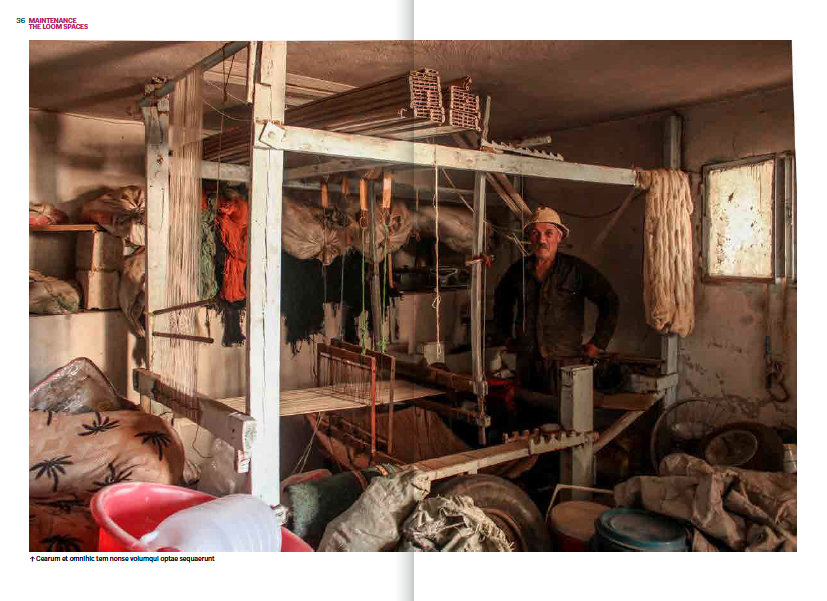
Cultures of Making explores the architectural, environmental, and social dimensions of building and making across the Arab region, where making is not only a cultural act but often a strategy for survival. Documenting twenty-one practices of manufacturing, building, and care across Egypt, Morocco, and especially Syria, Wesam’s book reveals how craftsmanship is shaped by scarcity, conflict, displacement, and environmental change.
From mud-dome construction, weaving, and food preservation to laurel soap production, carpentry, and wooden boatbuilding, the publication records practices that have evolved over generations while bringing together the objects, processes, people, and places that sustain them. At a time when much of this knowledge is at risk of disappearing, the book reveals new connections between tradition and innovation, and between craft and technology.
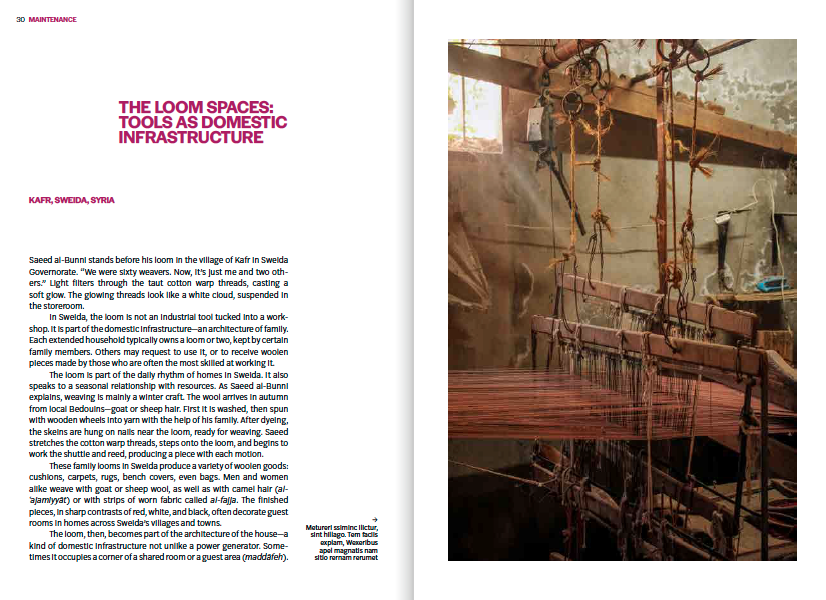
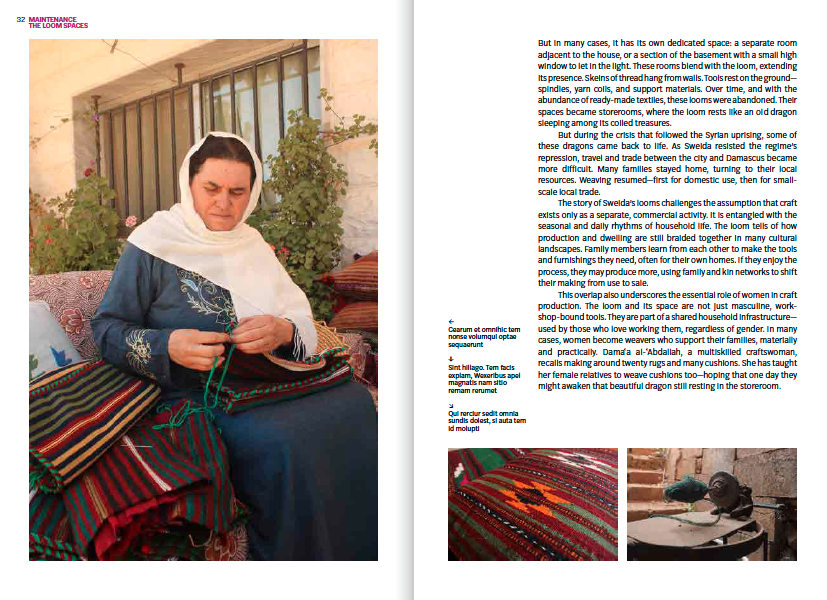
Based on archival research, workshops, interviews, and extensive fieldwork, Wesam combines his text with a rich visual archive of photographs, maps, diagrams, and specially developed drawings that make complex craft knowledge tangible and transferable. In doing so, it also proposes new approaches to documentation beyond institutional archives, particularly in regions where records are scarce or shaped by colonial legacies. Rooted in the Arab region while offering valuable insights for the Global South and beyond, Cultures of Making is both an important scholarly contribution and a practical reference for anyone interested in craft, sustainable design, heritage, and local knowledge.
We are incredibly proud to have accompanied Wesam on this journey and cannot wait to share the book with you. Thank you very much to Cansu and Silke for your incredible work on this book.