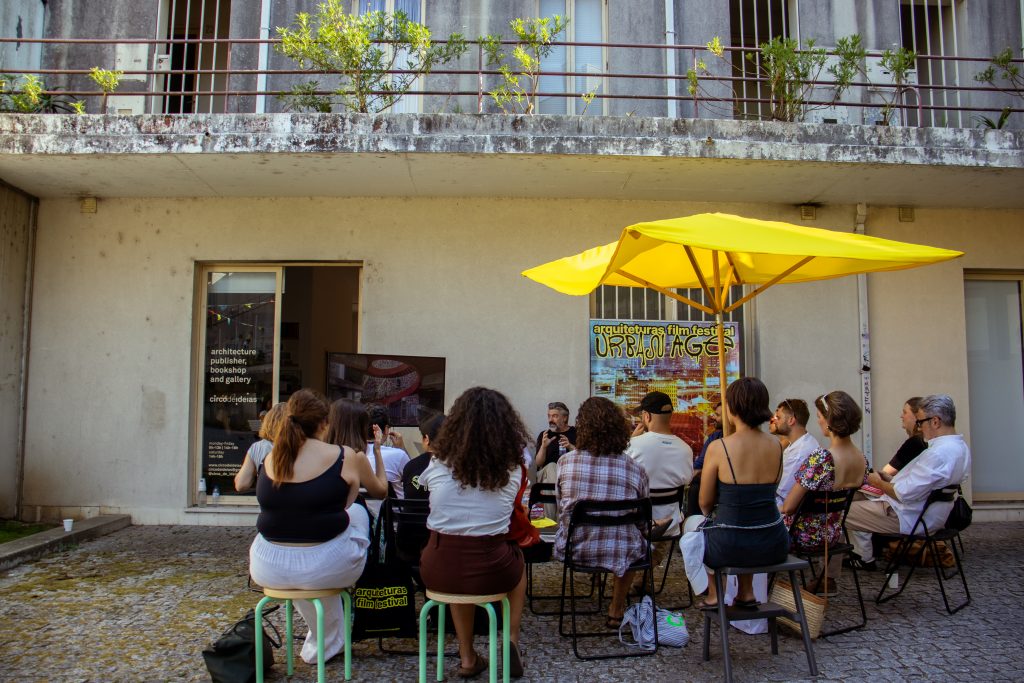
When does a book project become a shared journey? Sometimes, the answer is: perhaps after seven years.
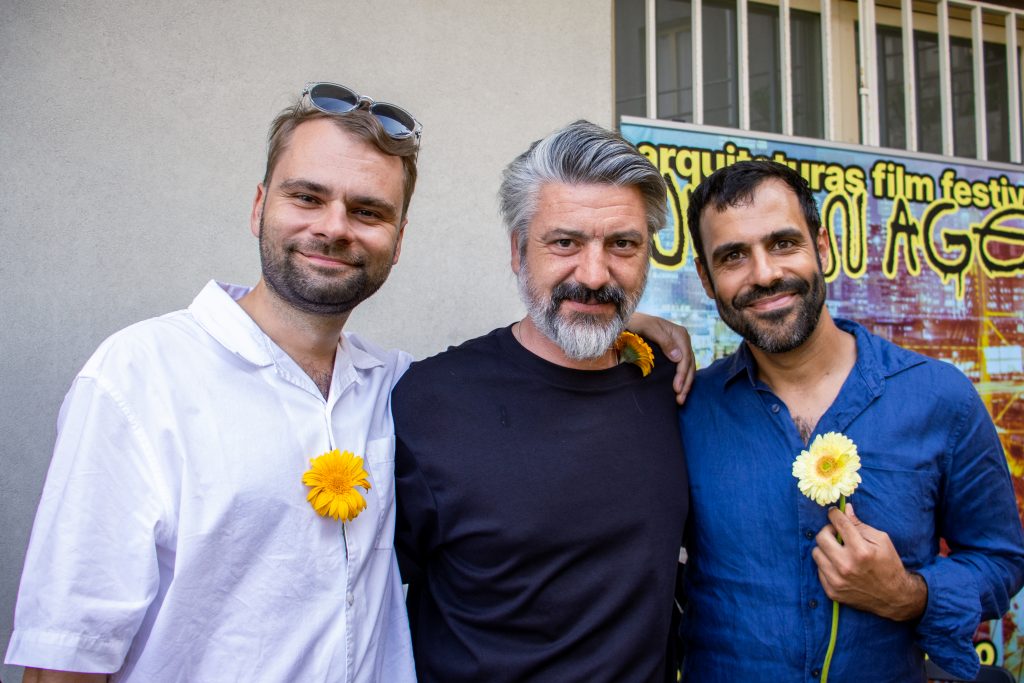
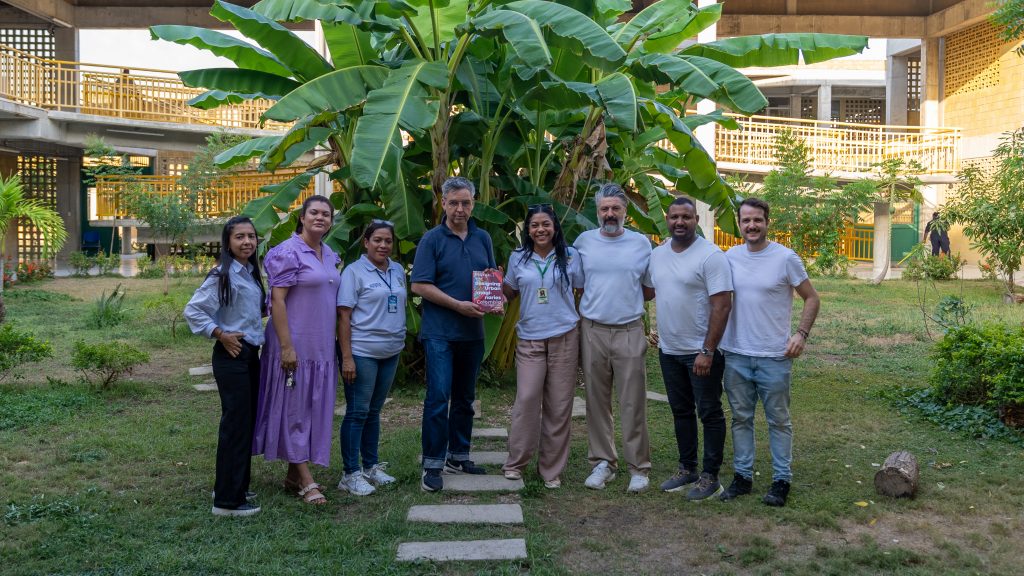
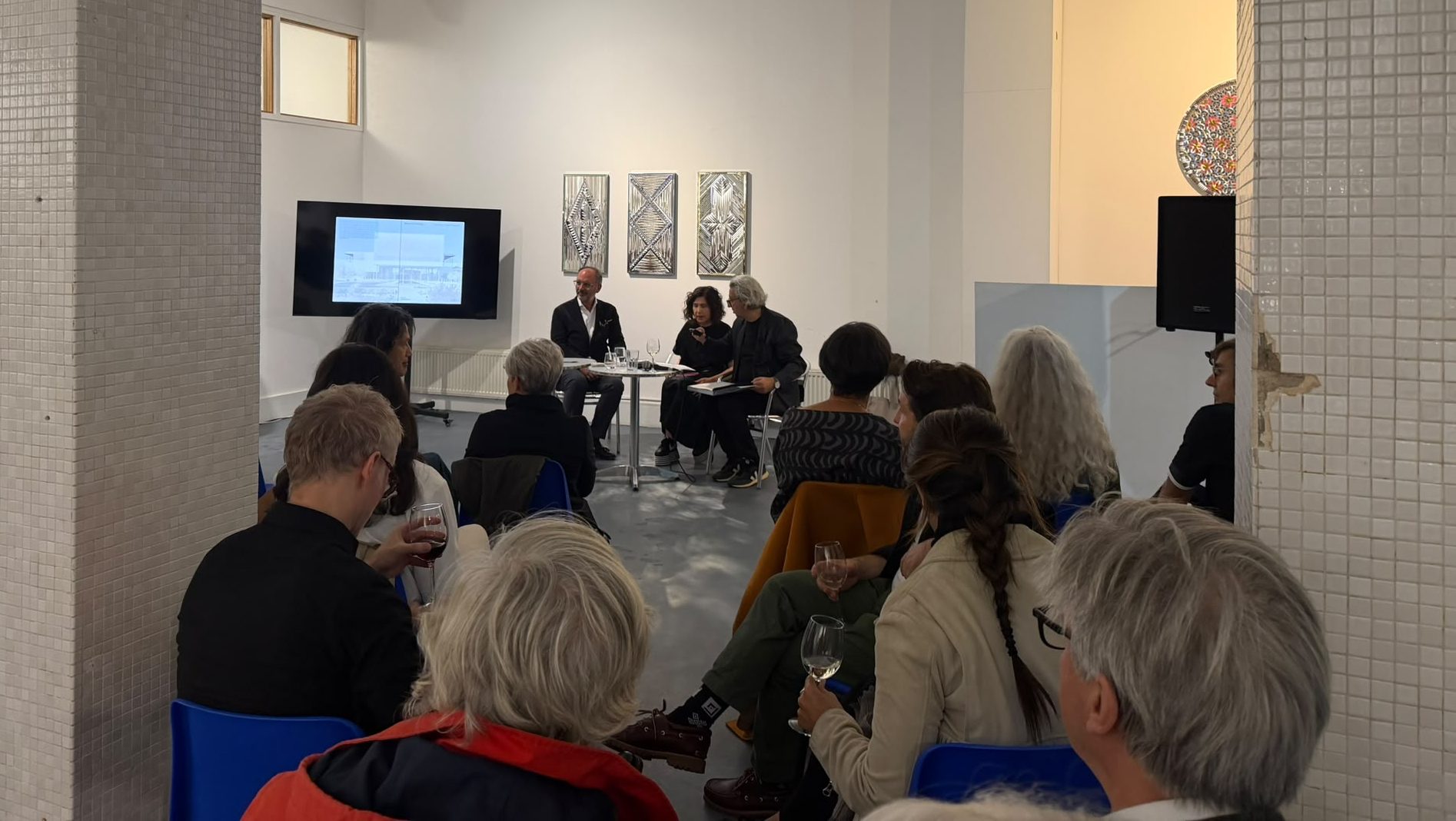
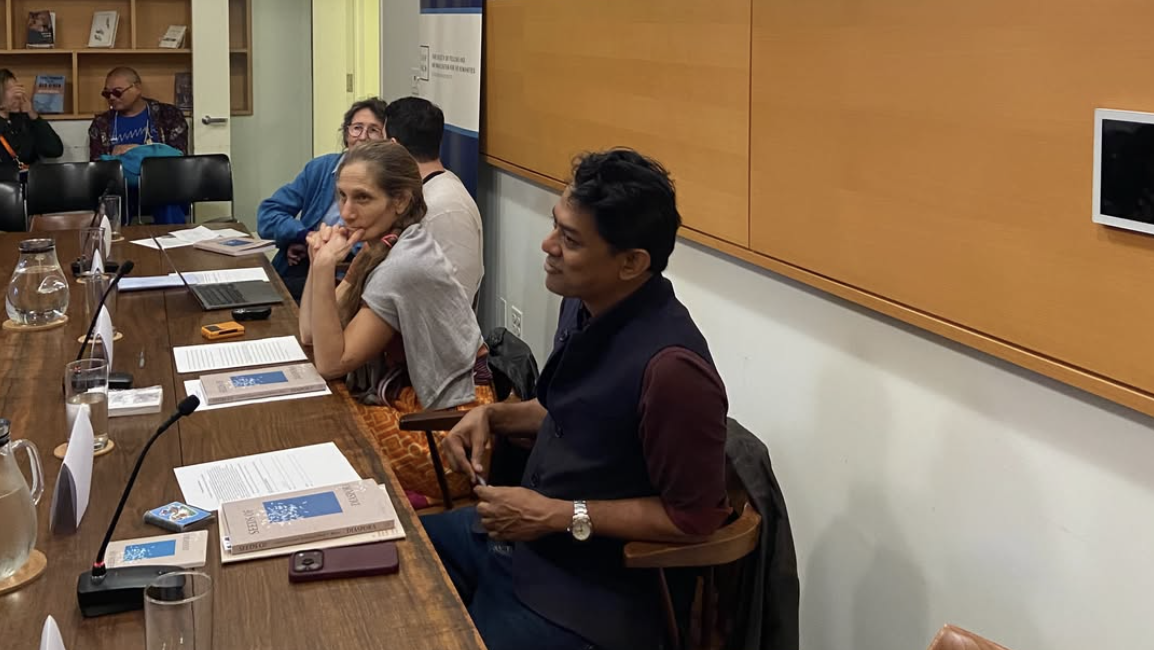
What began as a publishing project with ETH Zurich evolved over the years into an extraordinary partnership. Countless workshops, lively discussions about the book’s concept, design and structure, and several shared journeys—including an unforgettable fieldtrip to Colombia.
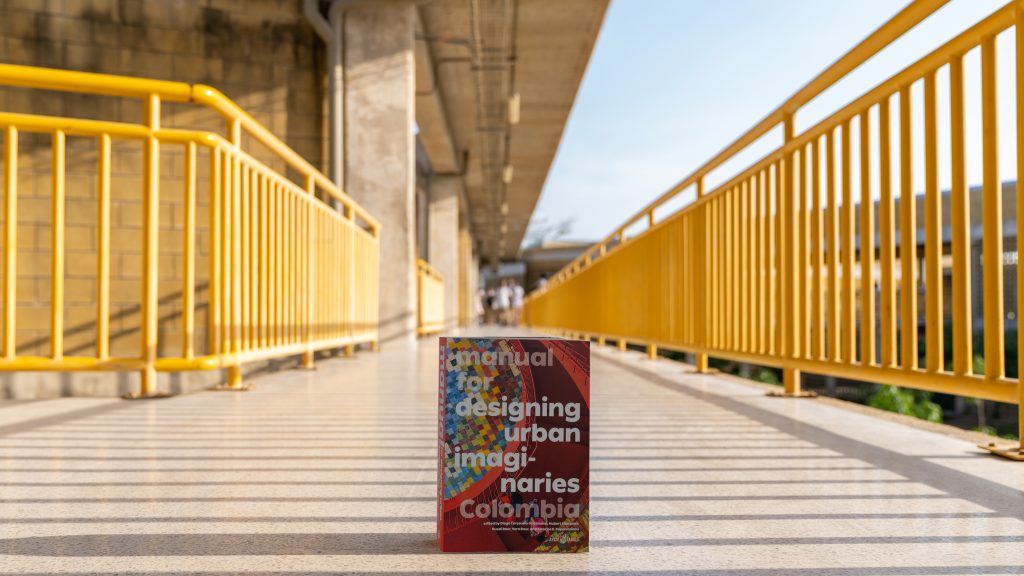
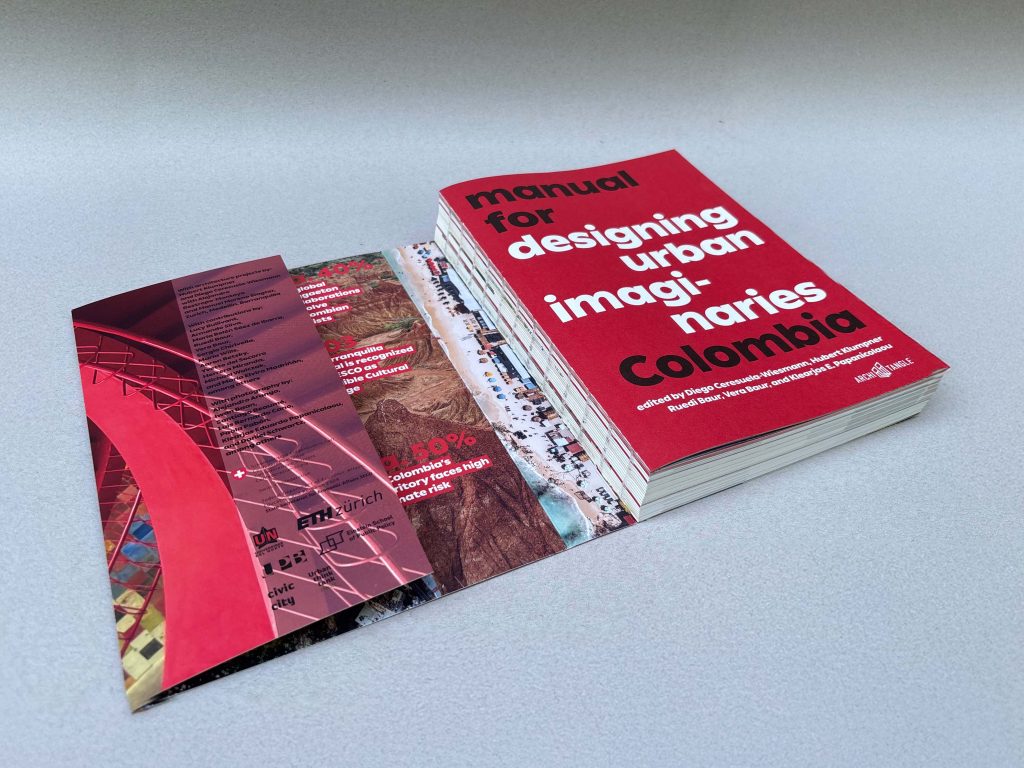
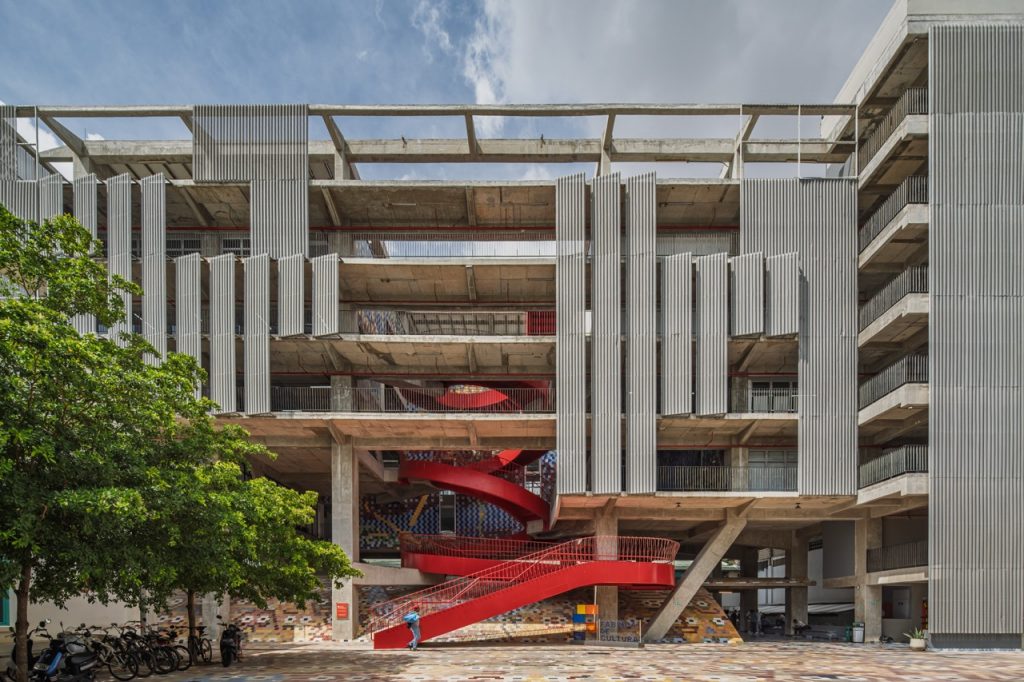
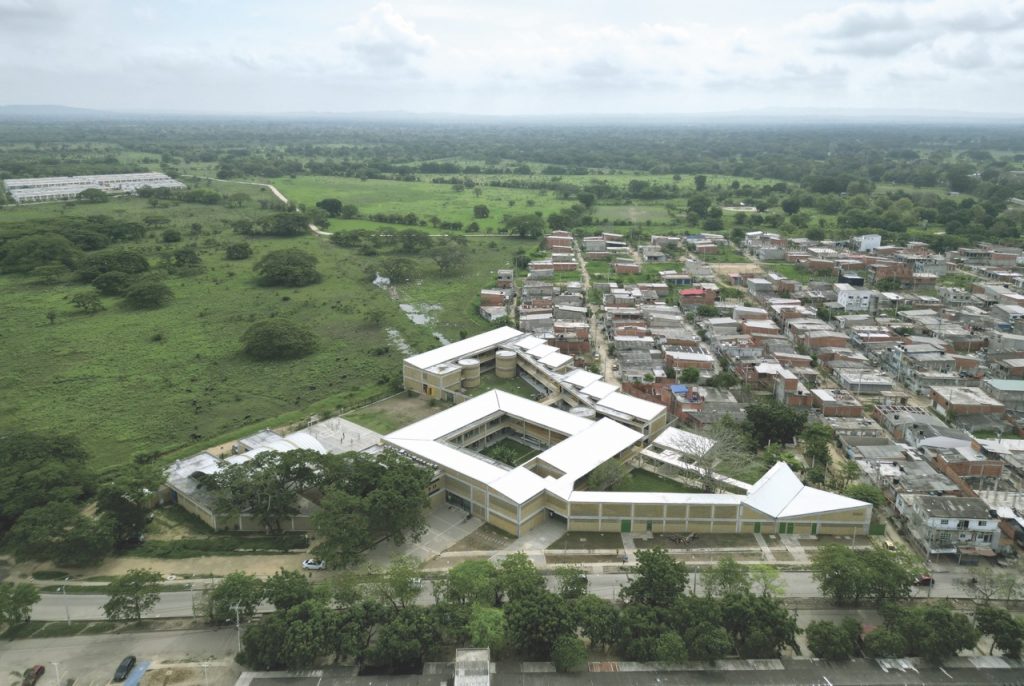
The recently published Manual for Designing Urban Imaginaries Colombia is the result of more than a decade of research and hands-on work by Hubert Klumpner, Diego Ceresuela Wiesmann, Klearjos Eduardo Papanicolaou with the team at the Chair of Architecture and Urban Design at ETH Zurich, Ruedi Baur & Vera Baur with their team, and Sonja Bröderdörp and team. At its core lies a question that reaches far beyond architecture alone: How do we create cities that are not only built sustainably, but are also socially just? Because a city is not only made up of existing buildings, new developments and infrastructure. It is made of memories, culture, hopes, and the imagination of the people who live there. These “Urban Imaginaries” are at the heart of the book.
Through projects across Colombia, the manual demonstrates how architecture, urban planning, and civic participation can work together—and why sustainable transformation is only possible when scientific knowledge and the lived experiences of local communities meet as equals.
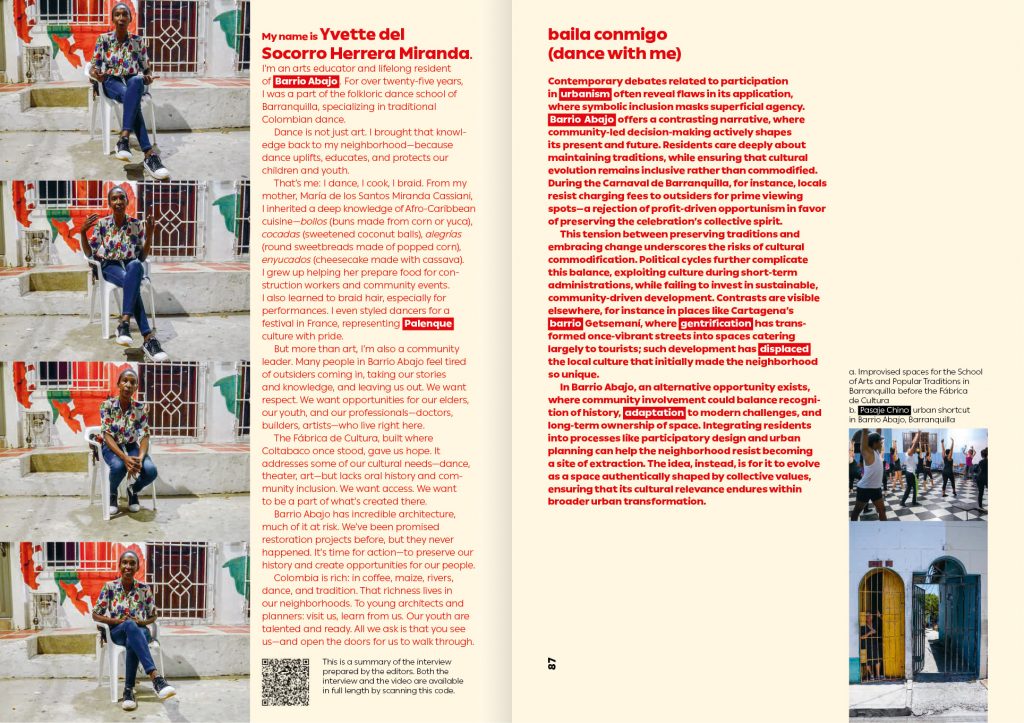
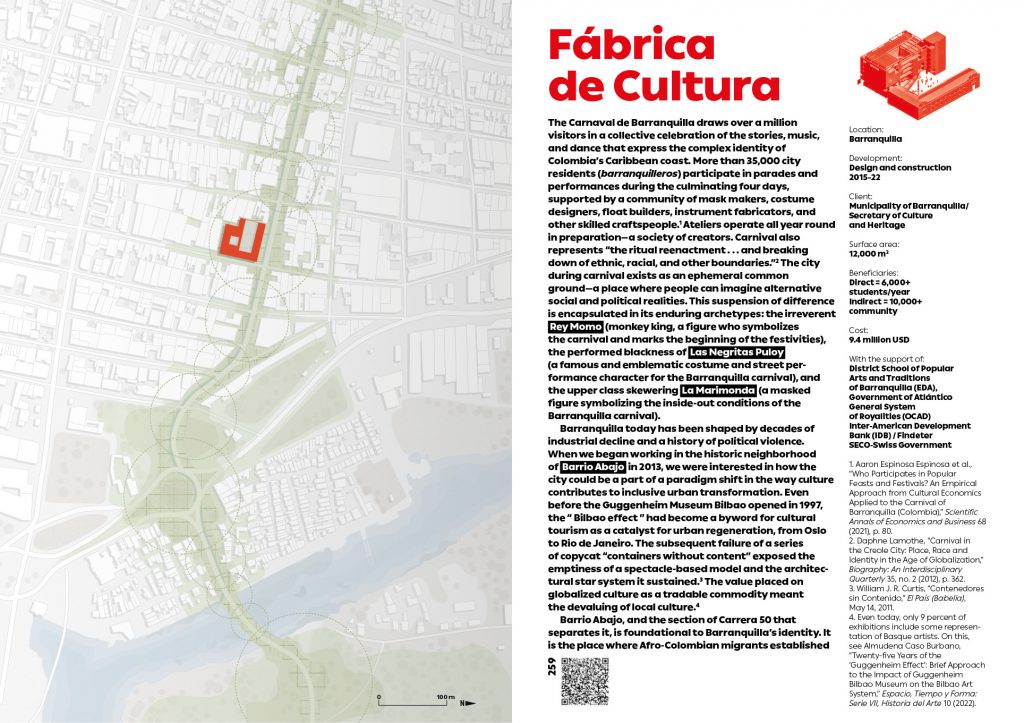
As we worked on this publication, one thing became obvious very quickly: There is an overwhelming wealth of valuable material. This project simply could not be contained between the covers of a single book. There were so many stories. So many insights. That is why we have BOOK+. It is the natural evolution of the printed book. The manual distills an enormous body of knowledge into 400 pages. BOOK+ expands this knowledge with digital content, additional resources, and multimedia perspectives. One of its highlights is the series of interview films by Klearjos Eduardo Papanicolaou. Several hours of filmed interviews can be accessed via QR codes, allowing readers to experience the people and the atmosphere with an intensity that no printed book alone could convey. And then there are the extraordinary drawings and designs by Diego Ceresuela Wiesmann. Together with the excellent essays by Lucy Bullivant and Armando Silva, the manual’s powerful call to action, and its collection of built and planned projects, they create a dense creative body of knowledge.
Looking back on seven years of collaboration, one feeling remains above all: our gratitude to Hubert, Diego, Klearjos, and the entire ETH Zurich team for this exceptional partnership.
Some books you publish. Others become part of your own journey.