
Description
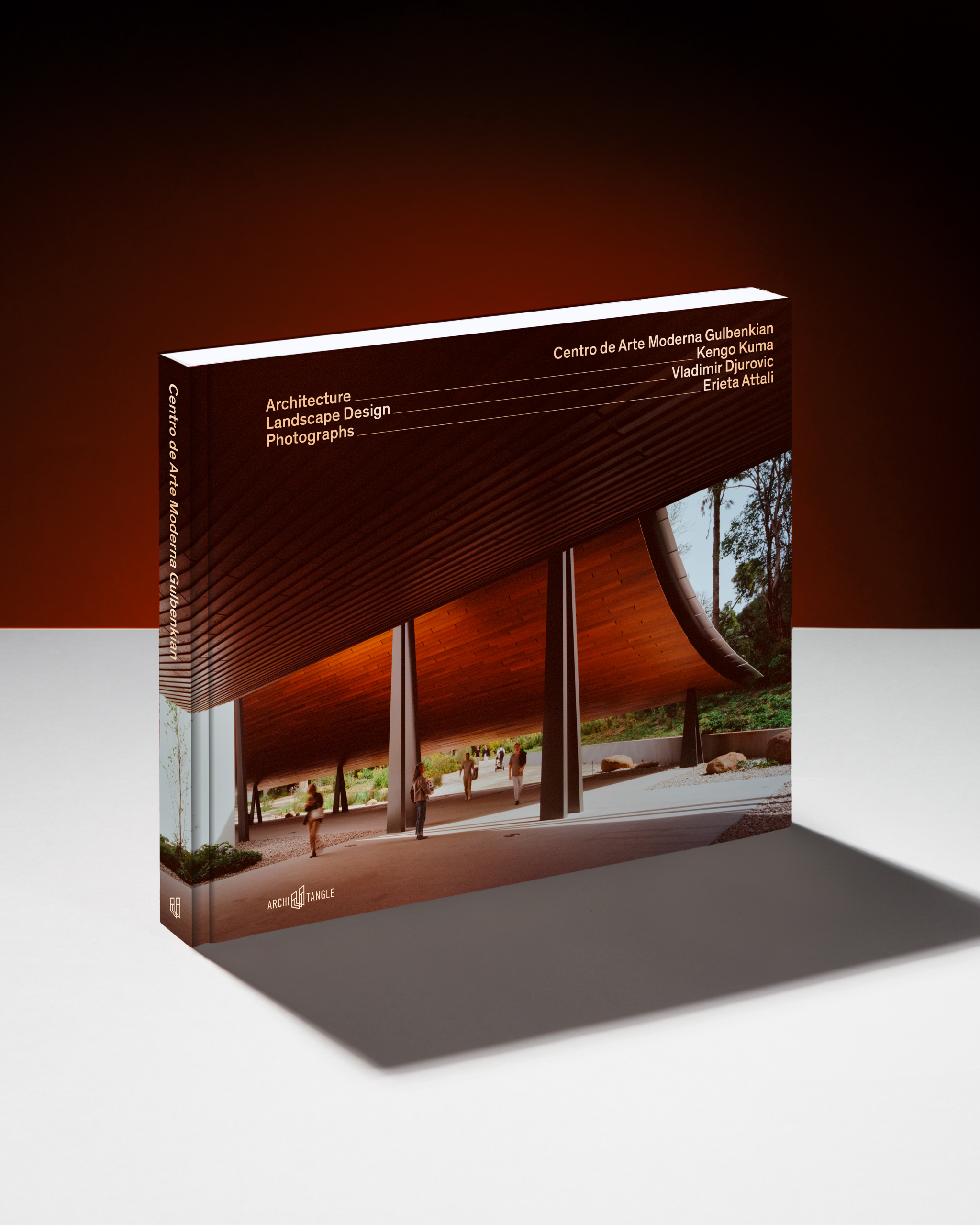
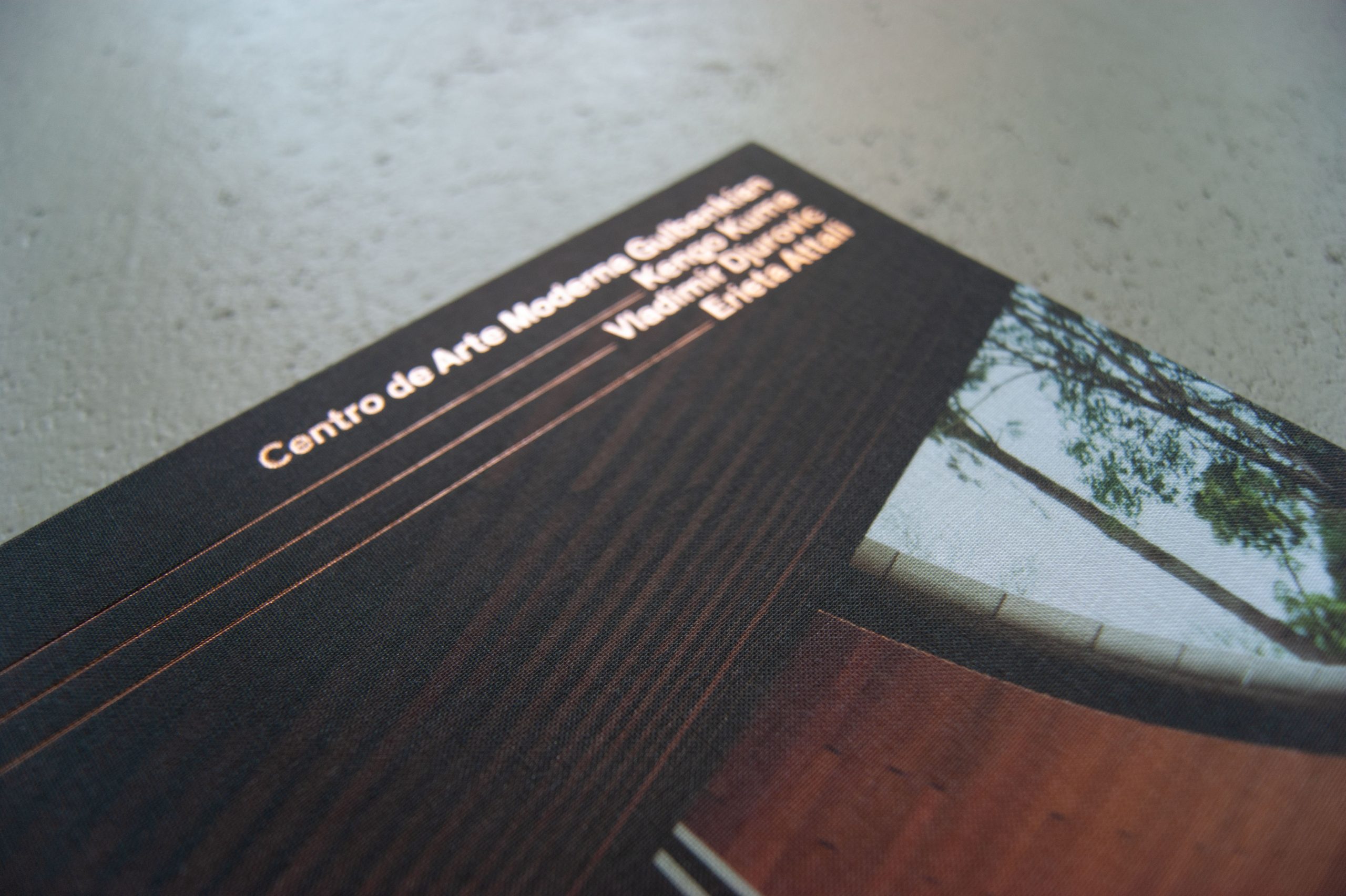
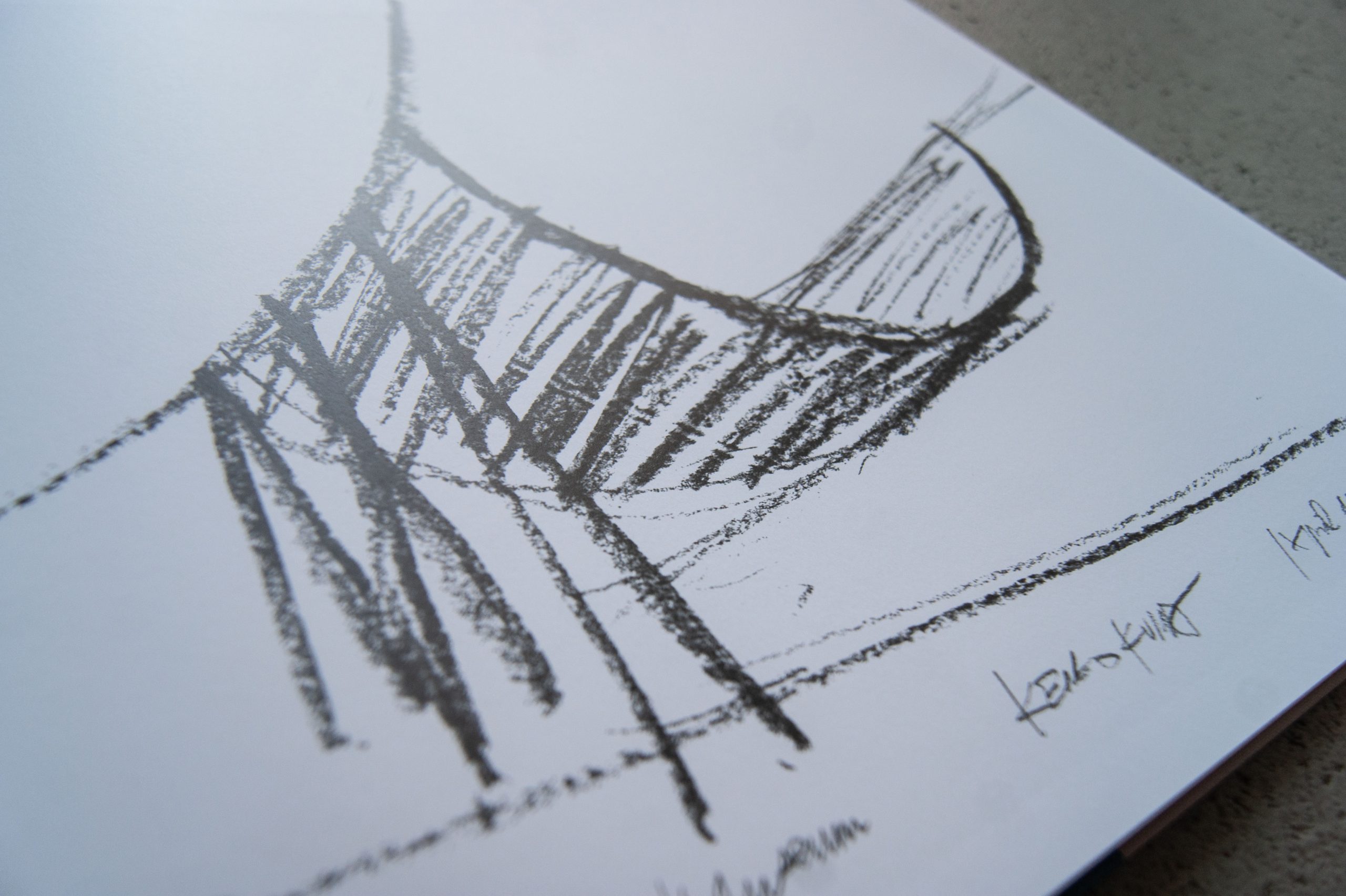
This volume celebrates the latest architectural endeavor of the Gulbenkian Foundation in Lisbon: the new building of the Centro de Arte Moderna (CAM), designed by architect Kengo Kuma in collaboration with the landscape architect Vladimir Djurovic. More than a building, this project is a living dialogue between architecture, nature, and the city—transforming museum and garden into a unified public space, rooted in the Foundation’s cultural mission.
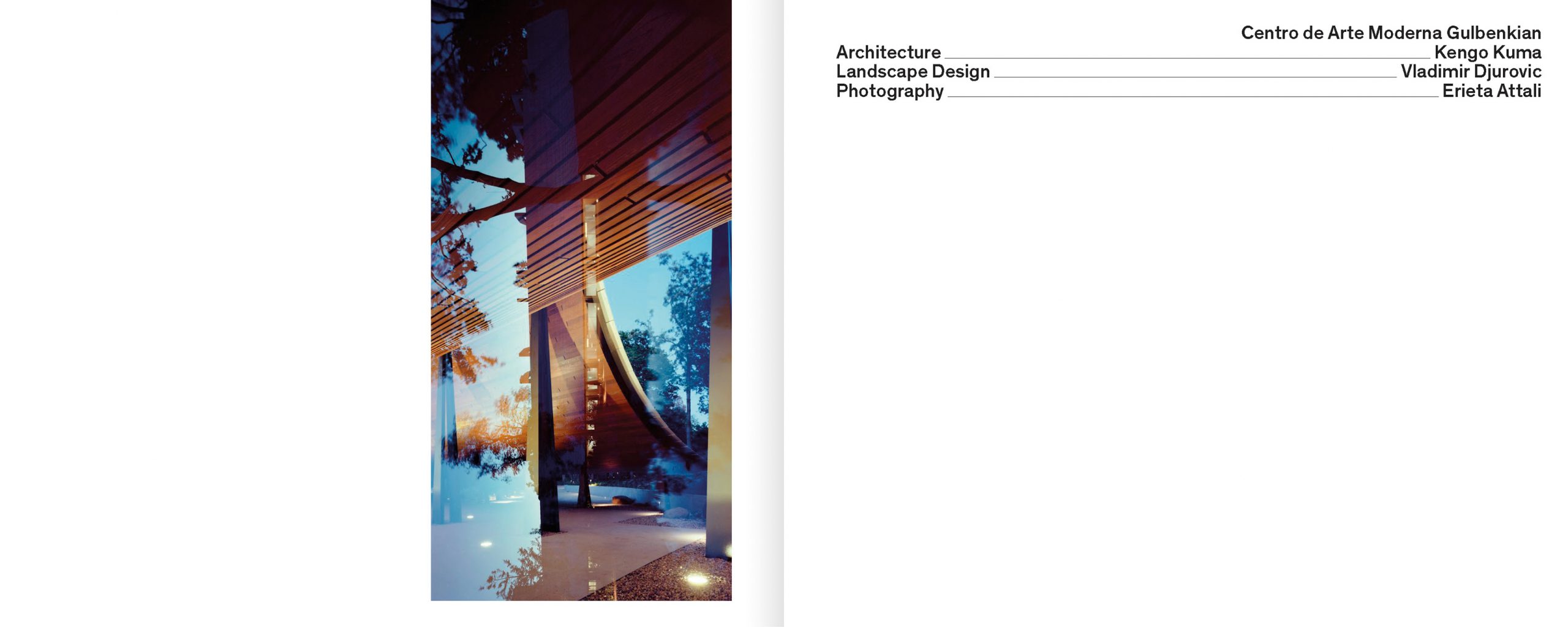
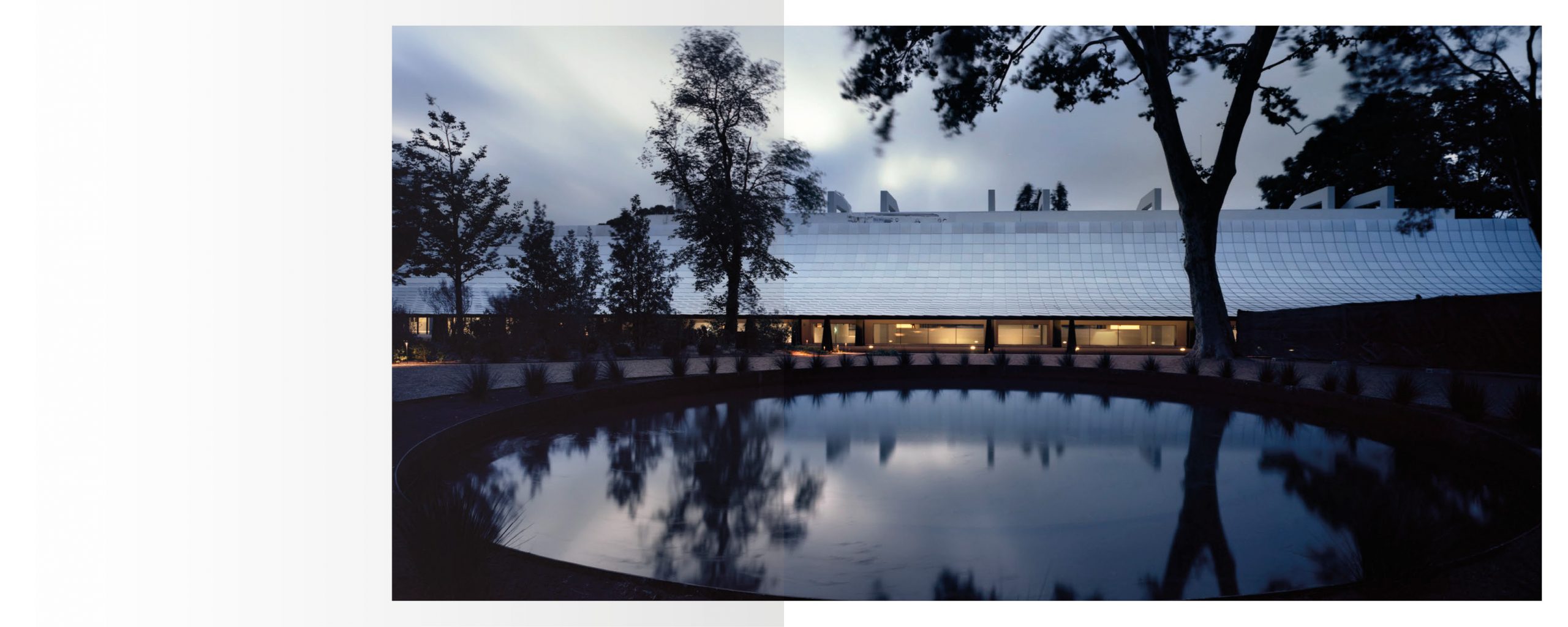
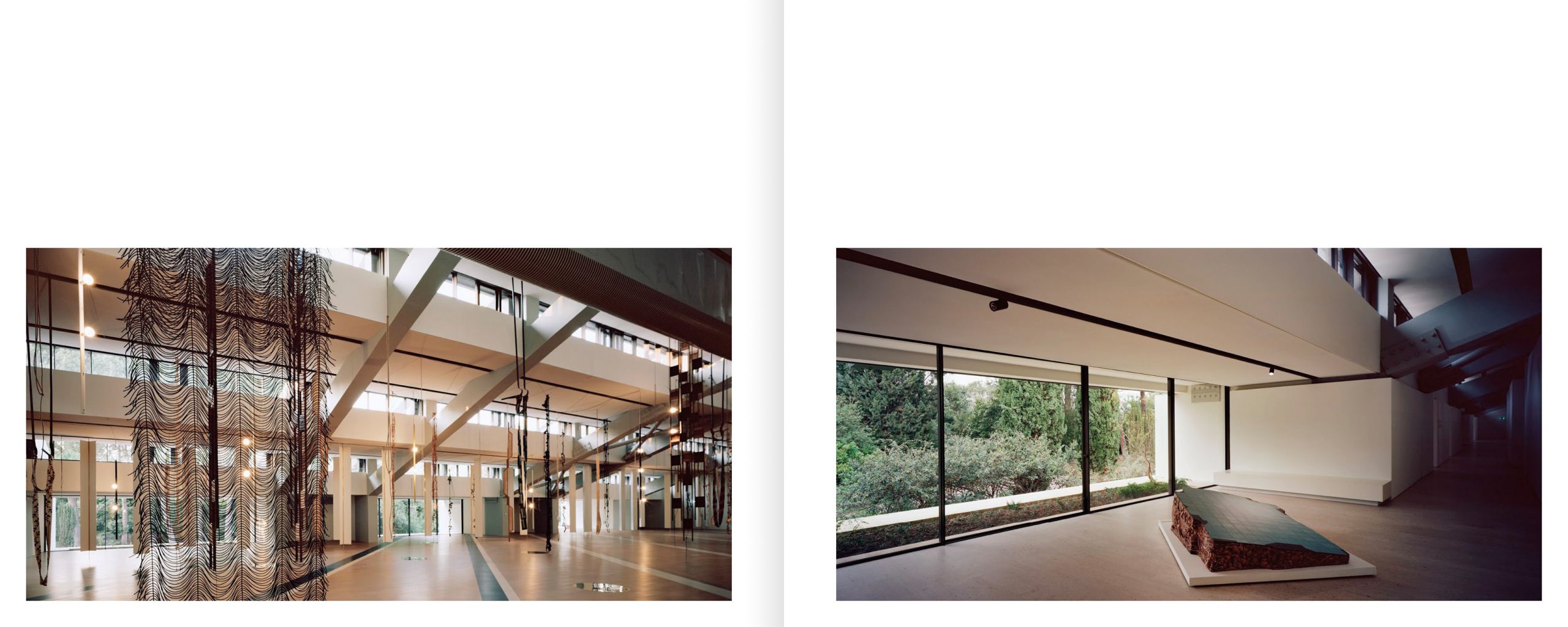
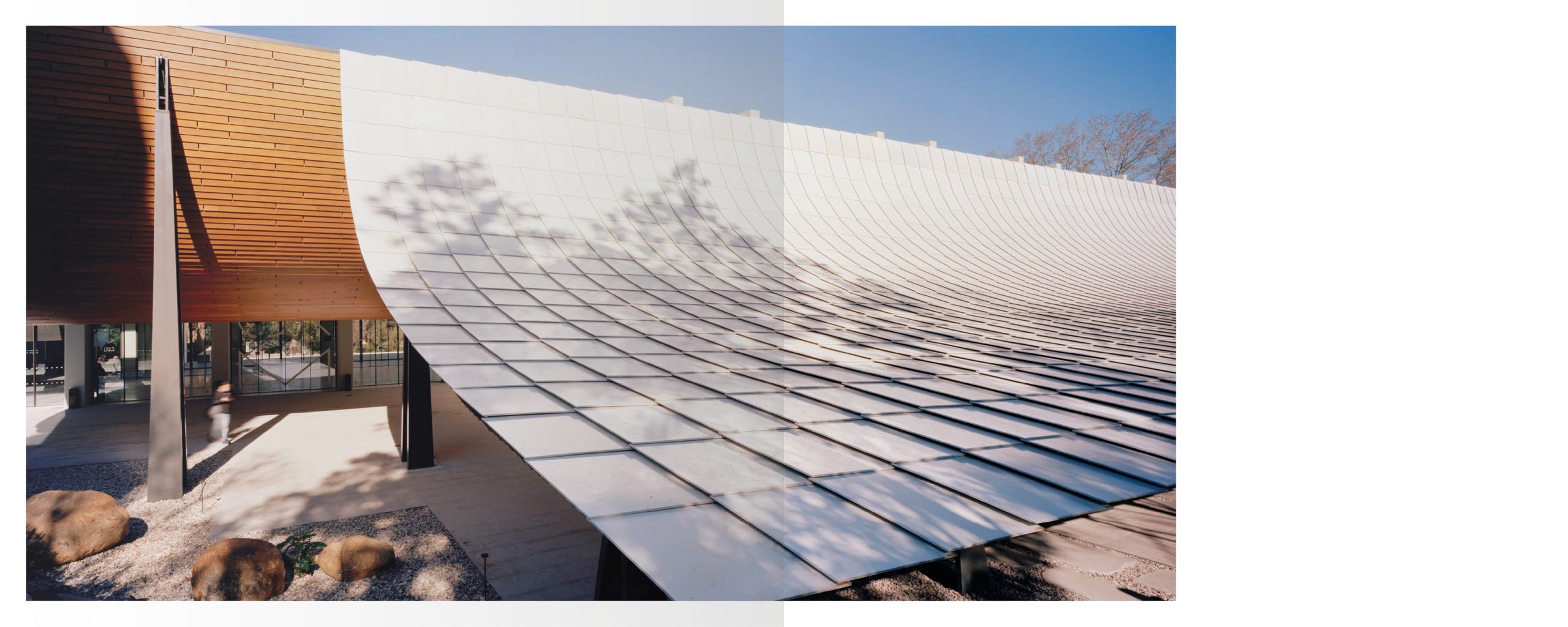
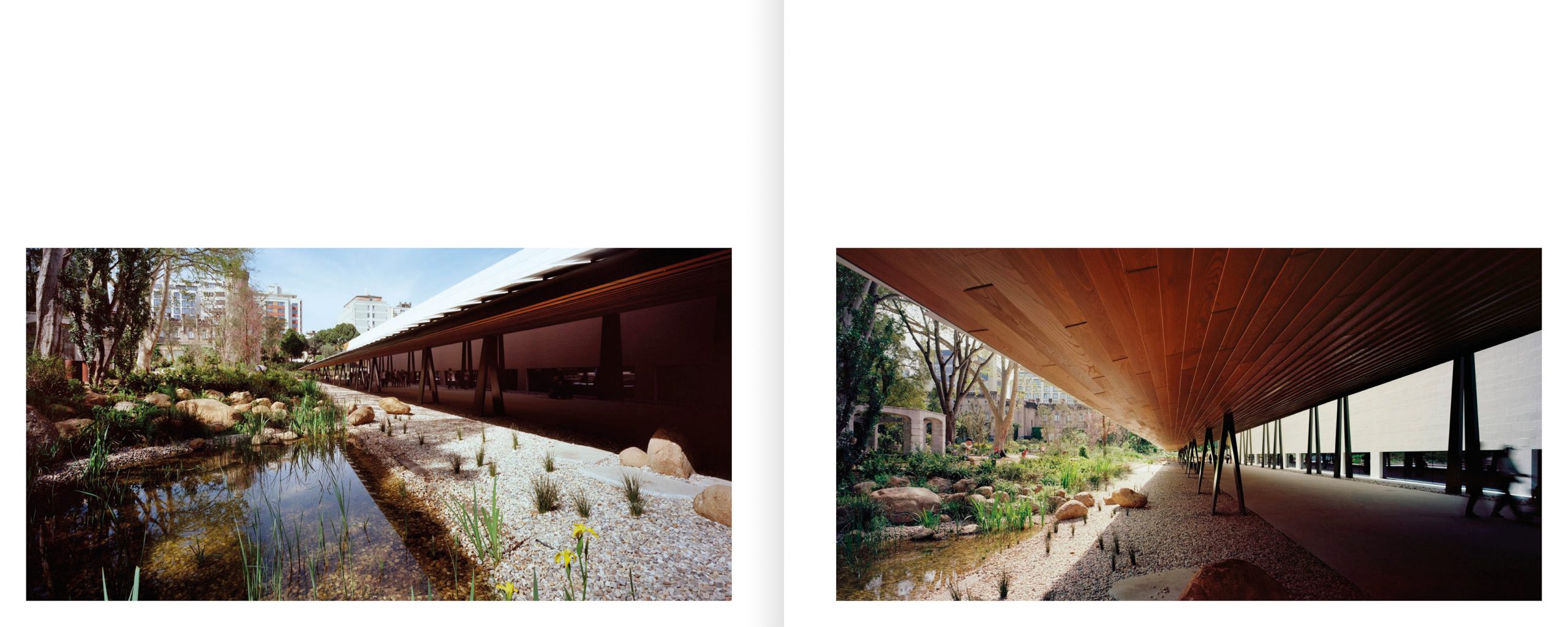
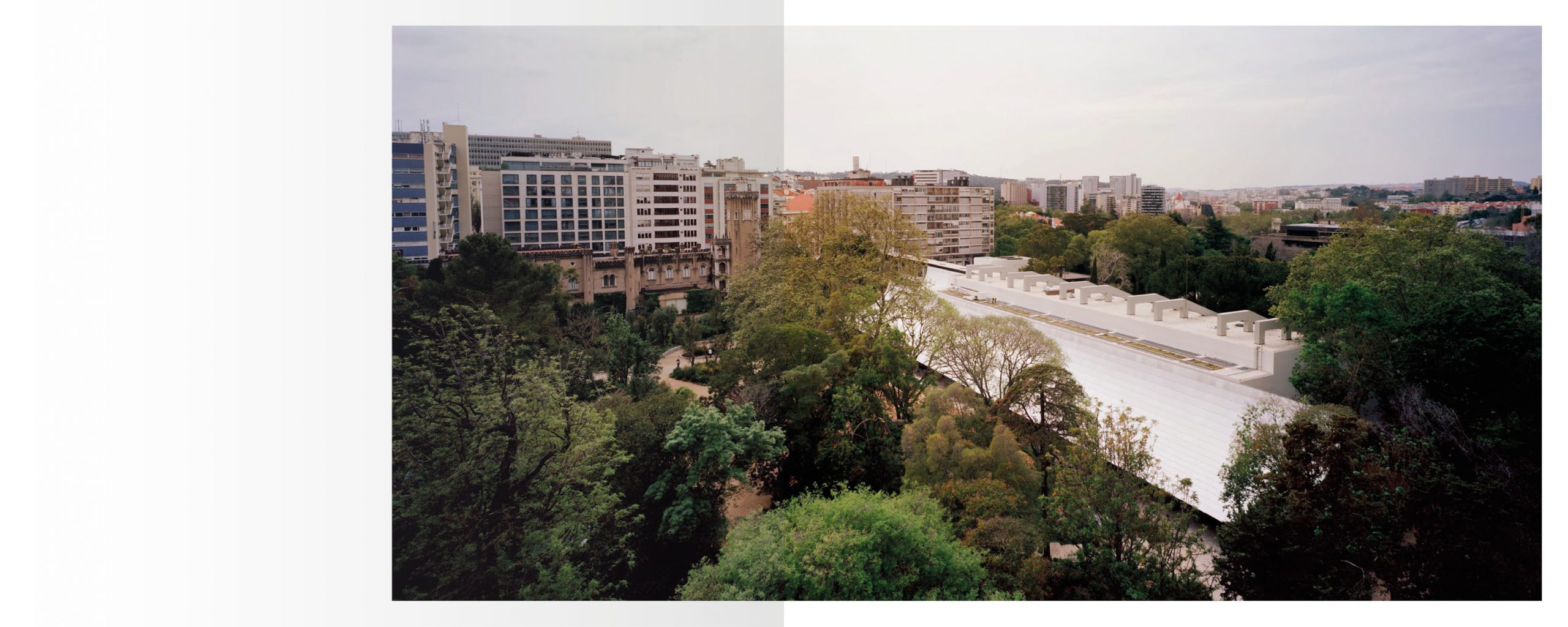
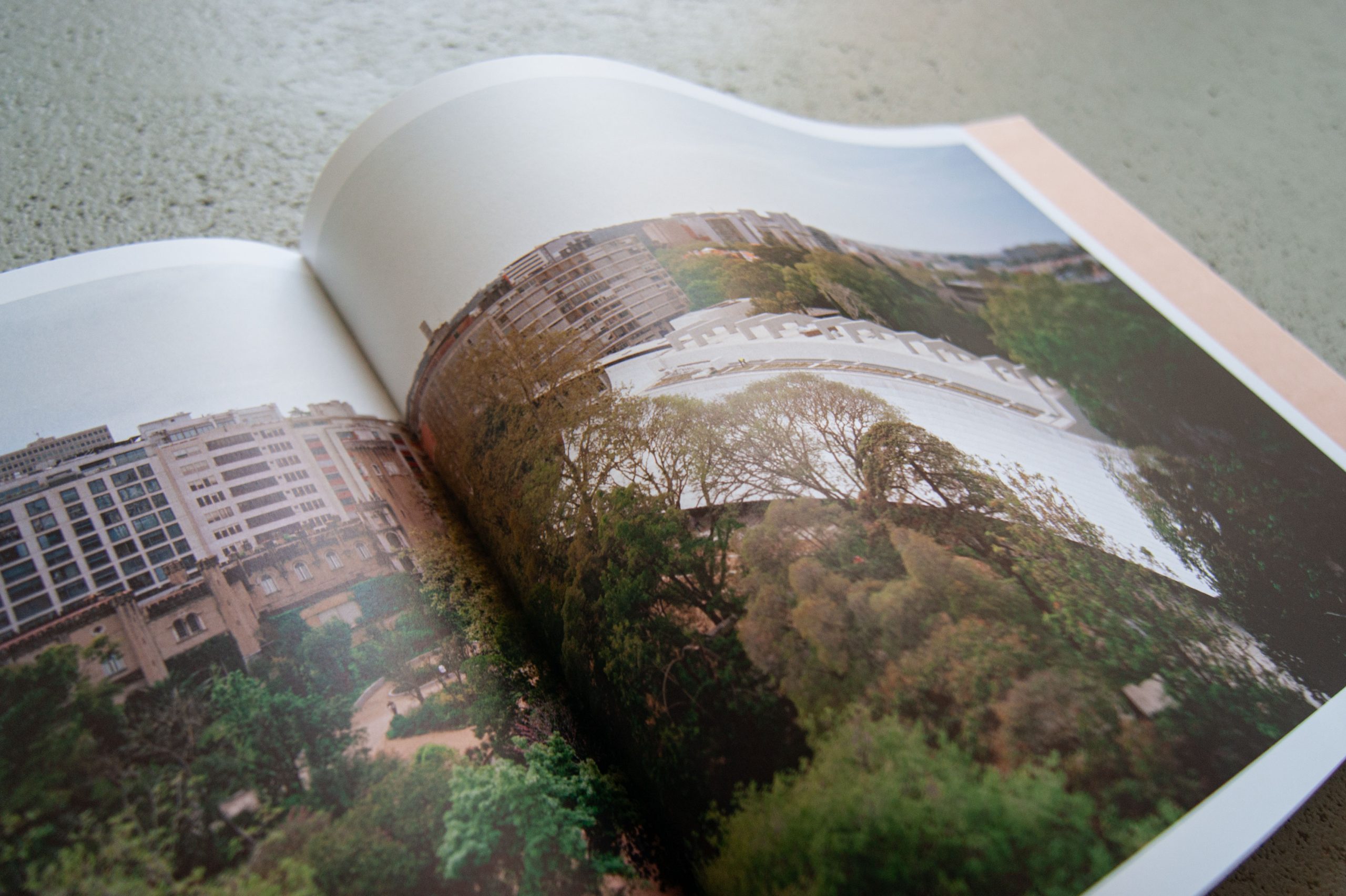
Through the lens of Erieta Attali, award-winning architectural photographer, the building and its surrounding landscape are captured in striking, atmospheric images that reveal the subtle interplay of form, light, and material. Her photographs—both precise and poetic—highlight how the building and garden create spaces for rest, interaction, and shared experience.
Accompanying Attali’s photographs are insightful texts that take the reader deeper into the story of the renewal. Attali introduces the project from her unique visual perspective, while conversations with Kuma and Djurovic reveal the close creative partnership between museum, architect, and landscape designer. An essay by architectural historian Ana Tostões anchors the project within the Gulbenkian Foundation’s legacy and evolving role as a public cultural force. Even more than a bold architectural gesture, the museum’s sculptural roof—Kuma’s poetic extension of the landscape— extends the building into the garden, dissolving boundaries and reclaiming the green space as an urban refuge. The luminous photographs by Attali bring this dialogue of form and space to life: the roof appears to breathe with the surrounding garden, capturing the serenity and generosity at the core of the design. This biodiverse oasis, created by Djurovic, is freely accessible to the public and embodies the Foundation’s commitment to sustainability, community, and cultural continuity.
The Centro de Arte Moderna stands as a testament to the Gulbenkian Foundation’s enduring legacy and forward-looking spirit—affirming a future in which architecture becomes a true catalyst for connection.
With contributions by Erieta Attali, Vladimir Djurovic, Seng Kuan, Kengo Kuma, Andres Lepik, and Ana Tostões.
Details
| Weight | 950 g |
|---|---|
| Dimensions | 30 × 24 × 30 mm |
| Edited by | Erieta Attali |
| With contributions by | Erieta Attali, Vladimir Djurovic, Seng Kuan, Kengo Kuma, Andres Lepik, and Ana Tostões. |
| Language | English |
| Design | Studio Victor Balko |
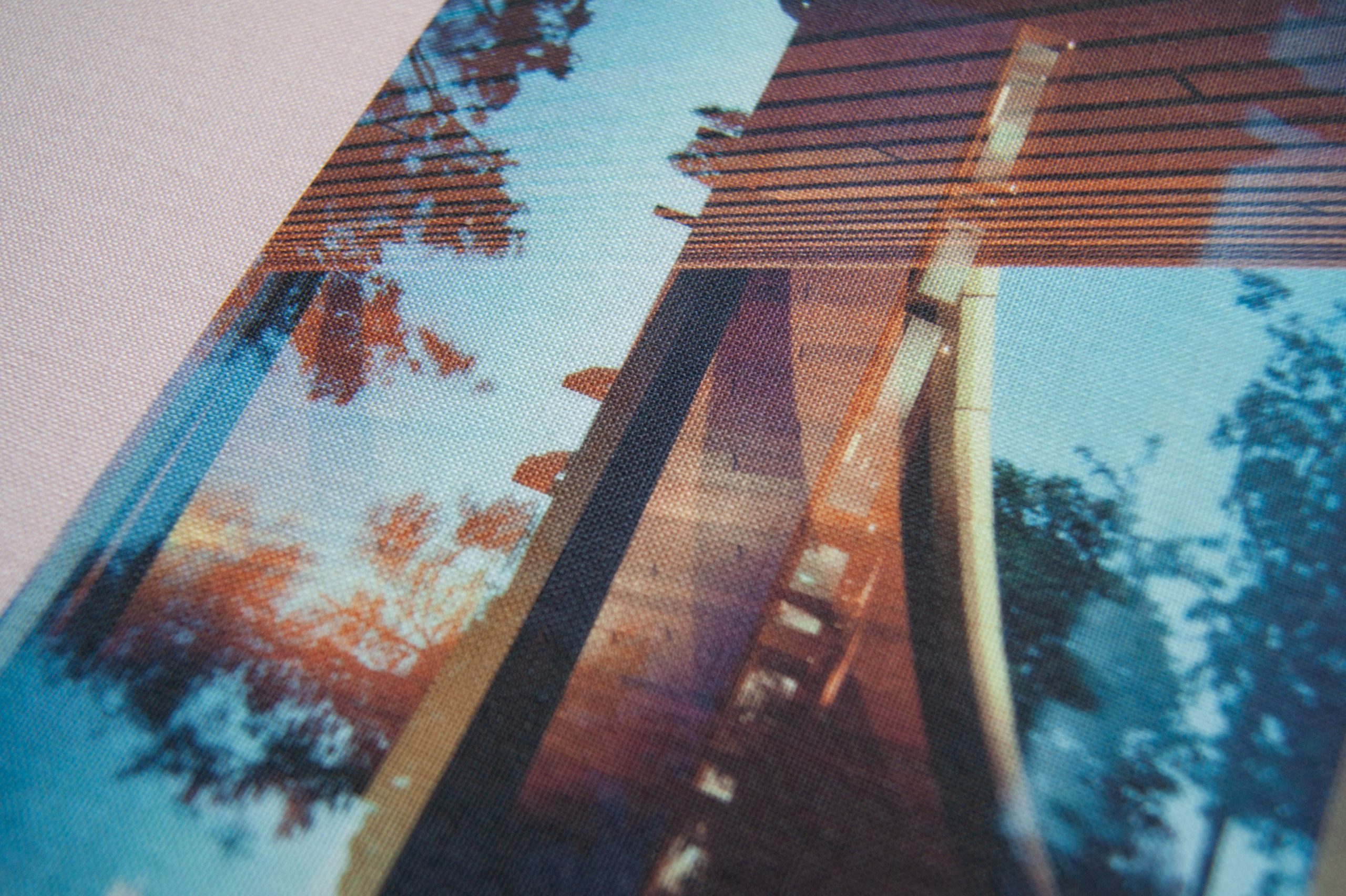
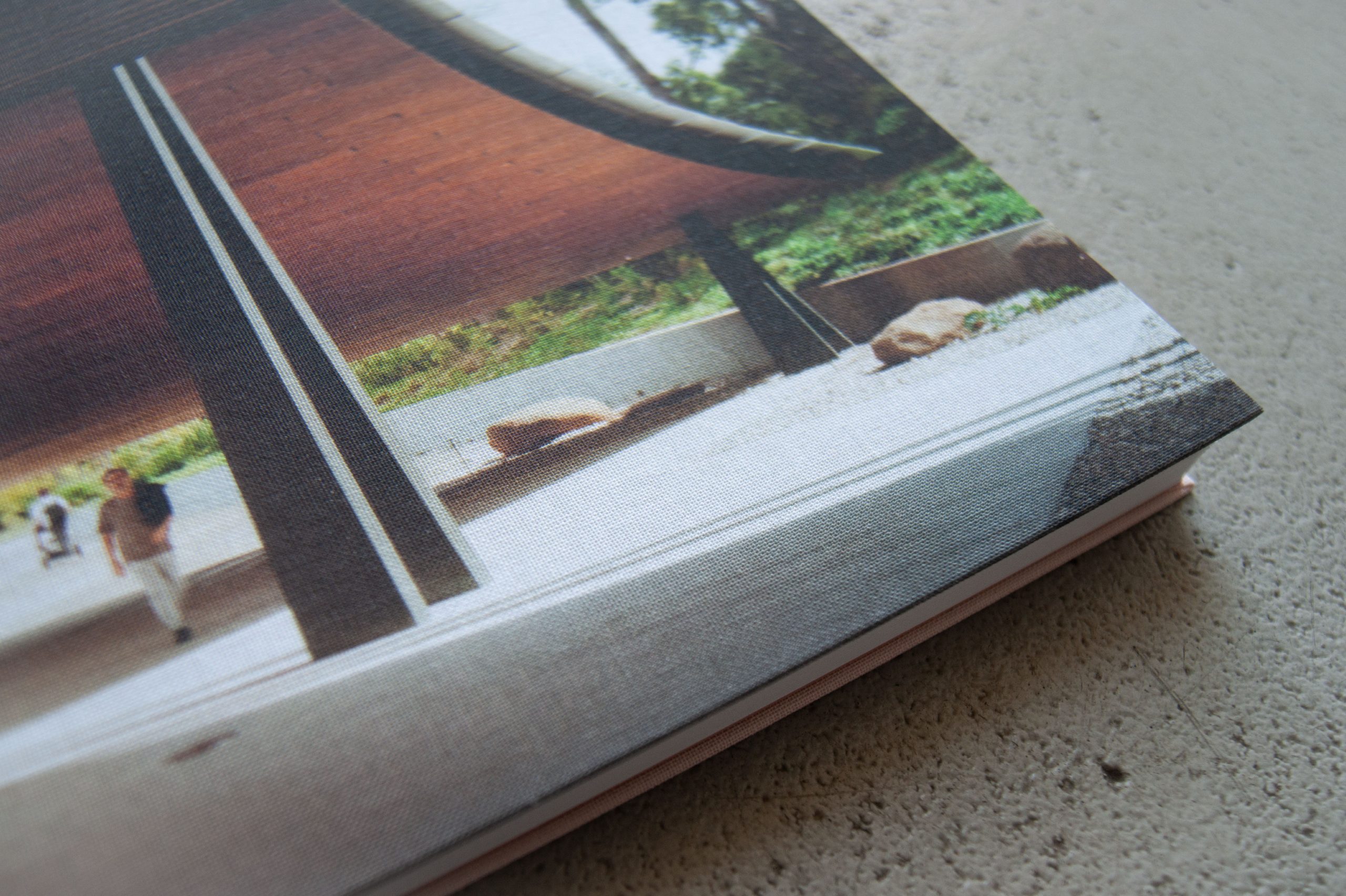
| Features | Clothbound hardcover, full color, stich bound, embossed |
| Size | 24 x 30 cm / 9.4 x 11.8 in |
| Illustrations | approx. 70 photographs by Erieta Attali |
| Page count | 128 pages |
| Publication Date | May 2026 |
| ISBN | 978-3-96680-041-9 |
Sicherheits- und Herstellerinformationen / Manufacturer and Safety Information
Hersteller/Manufacturer: ArchiTangle GmbH
Adresse/Address: Meierottostr. 1, 10719 Berlin, Germany
Email: gpsr@architangle.com
Table of Contents
—Erieta Attali, The Essence of Light and Space
—Ana Tostões, A Cultural Landscape
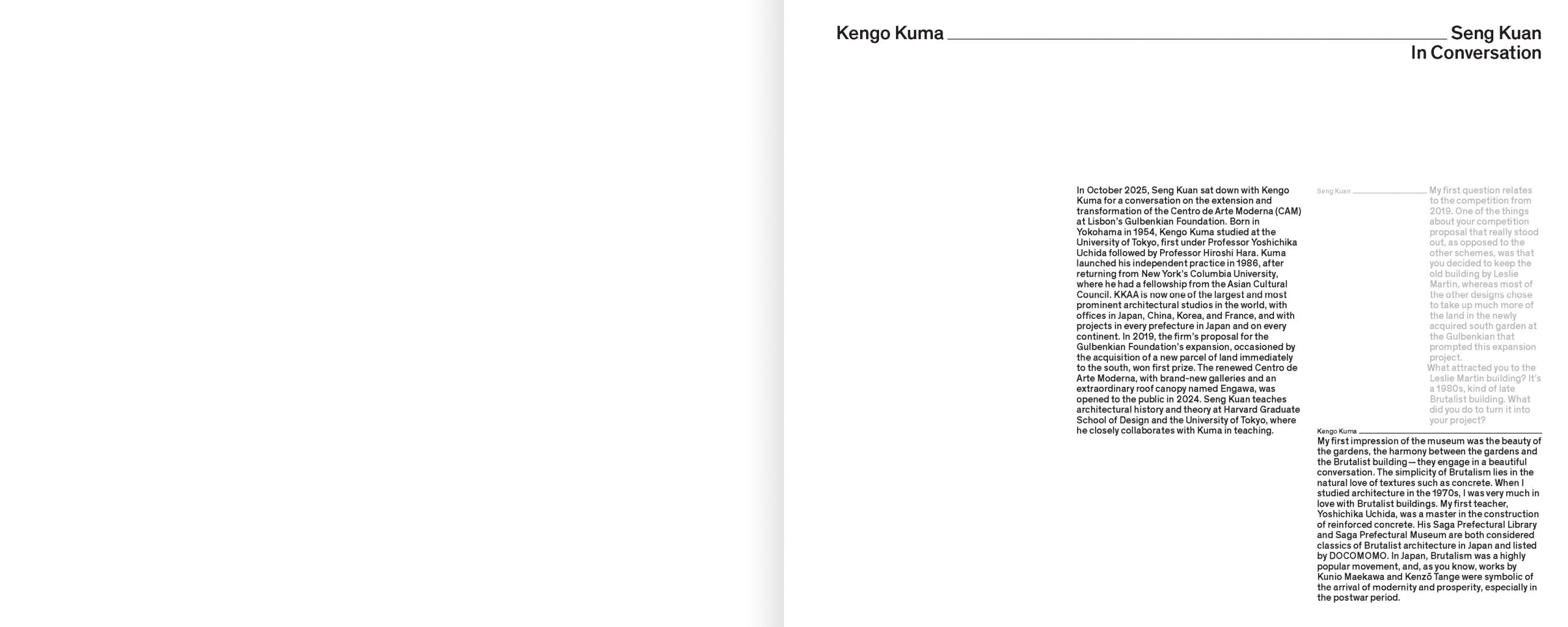
—Kengo Kuma in Conversation with Seng Kuan
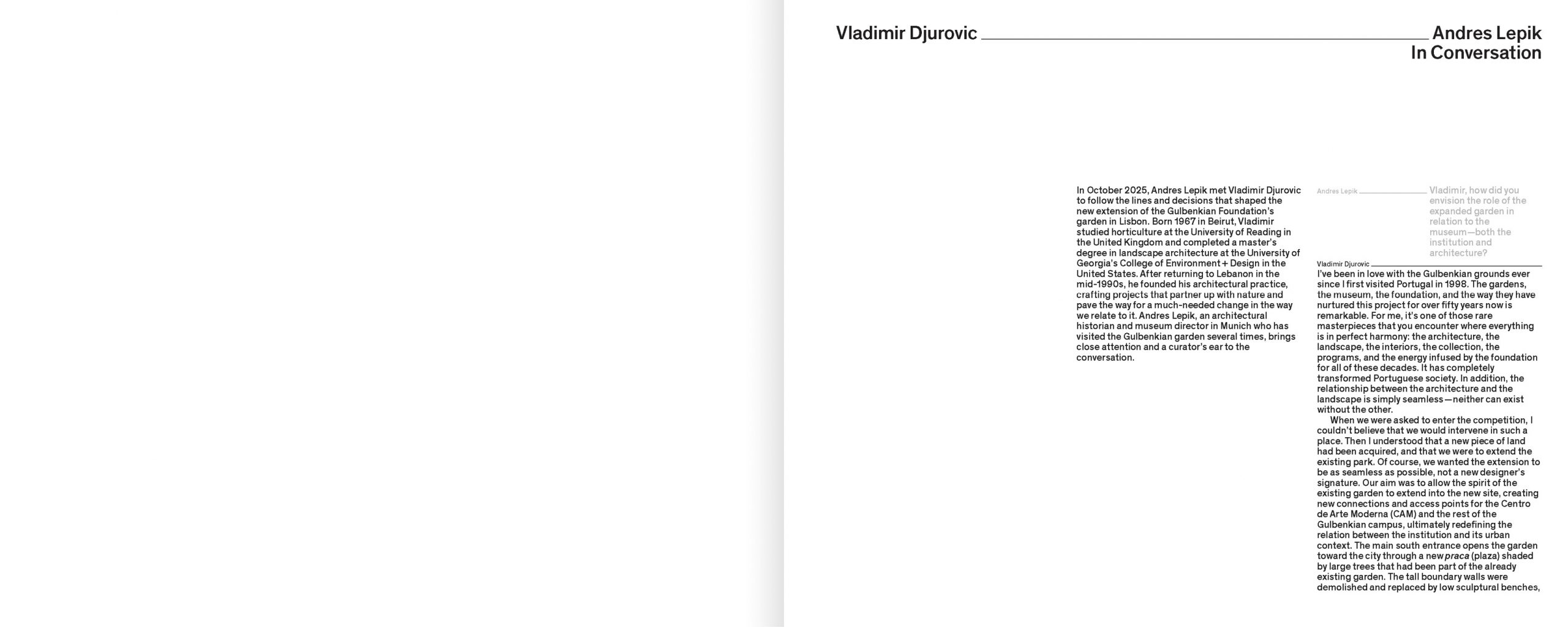
—Vladimir Djurovic in Conversation with Andres Lepik
Shipping
Quick and affordable delivery cost for this product:
| Germany: | Free |
| Europe (EU): | EUR 8,90 per order (or free on any order of 2+ books) |
| Europe (Non-EU): | EUR 13,90 per order |
| World: | EUR 18,90 for this item |
Same day shipping for any order placed by 13:00 CET (German time, workdays). Premium tracked shipping worldwide provided by 
Related Products
-

AIRES MATEUS
Architectural Terrains: Five Investigations68,00 € DetailsThe five breathtakingly poetic installations by AIRES MATEUS that they have contributed to the Venice Architecture Biennale.
-

-
